

News
Africa in Bayreuth – Exhibition on the History of African Studies at UBT
17.02.2026
An exhibition curated by Dr Ibrahima Sene explores 50 Years of African Studies at the University of Bayreuth
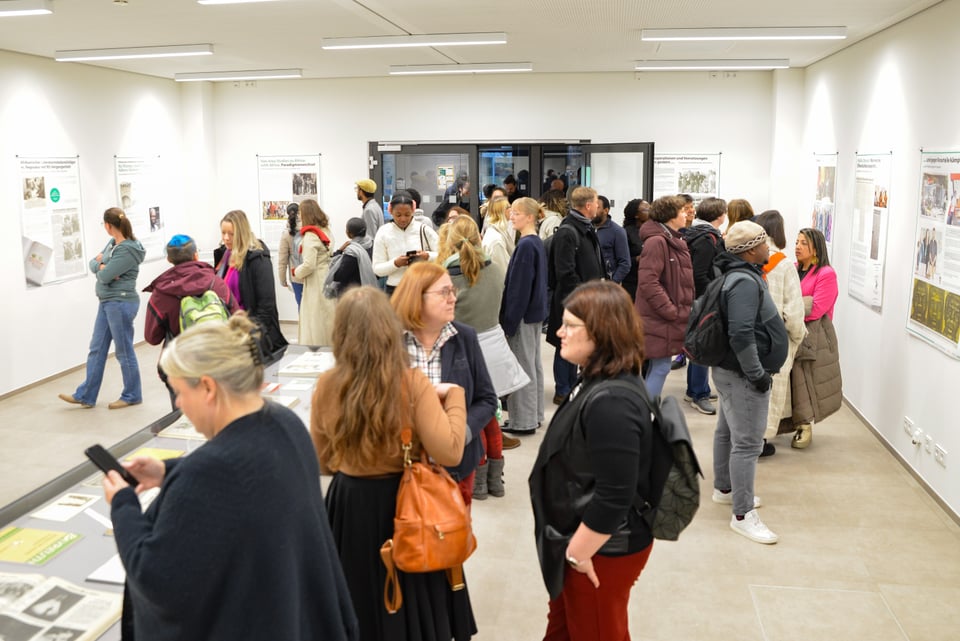
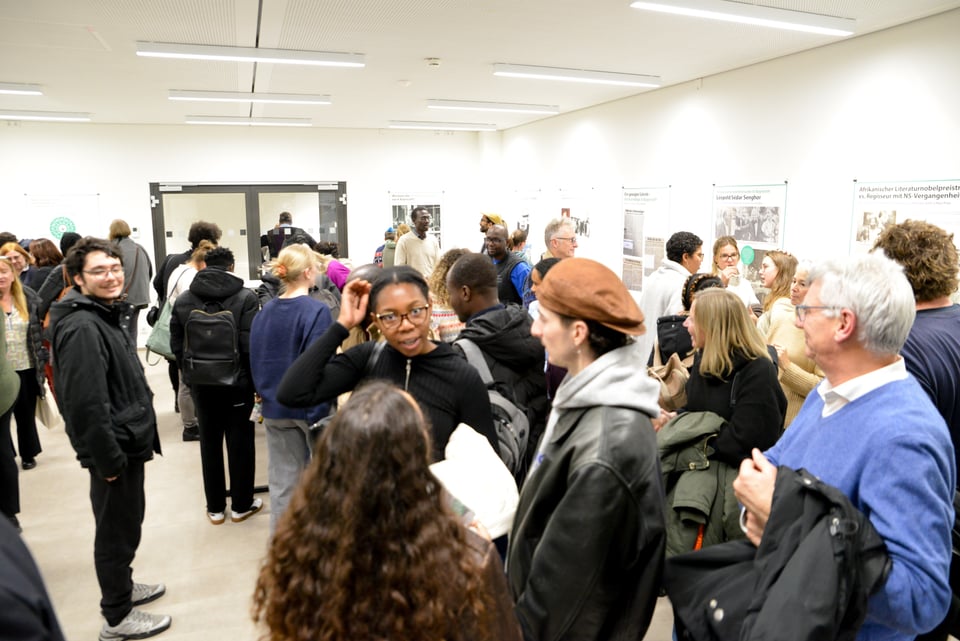
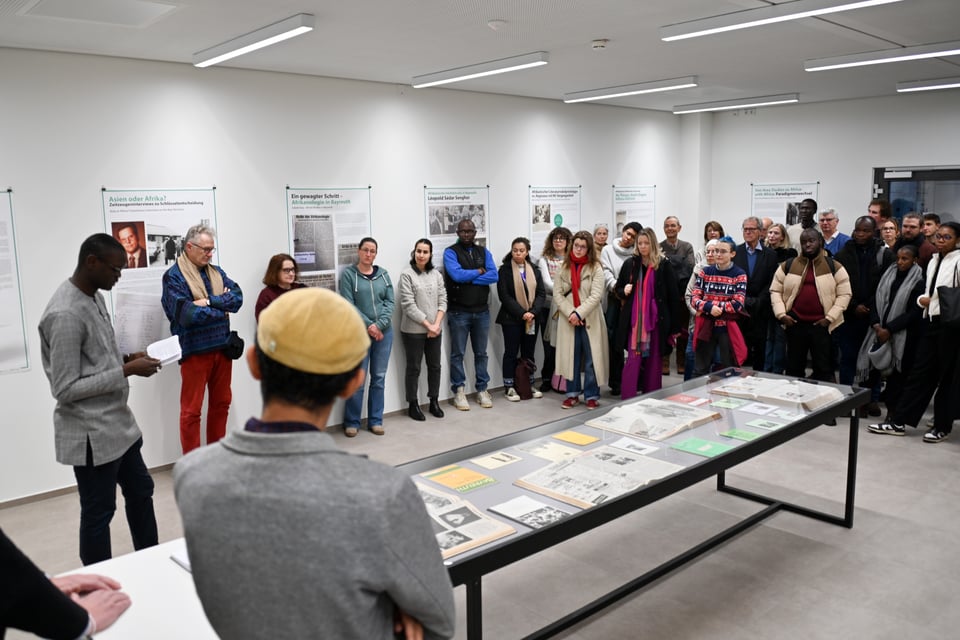
As the University of Bayreuth celebrated its 50th anniversary in 2025, a new exhibition sheds light on a distinctive and sometimes overlooked chapter of its history: the establishment and development of African Studies. Titled “Afrika in Bayreuth. Die Bayreuther Afrikastudien im Spiegel von Politik und Medien” (“Africa in Bayreuth: Bayreuth African Studies in the Mirror of Politics and Media”), the exhibition opened on 25 November 2025 at the Iwalewahaus exhibition space within the Research Centre for Africa (FZA) on campus and ran until 16 January 2026. It moved location and is now presented at the University’s library until 10 April 2026.
Funded by the Africa Multiple Cluster of Excellence and curated by Dr Ibrahima Sene from the Chair of African History at the University of Bayreuth, the exhibition examines how African Studies became one of the university’s defining research fields and how it was perceived in politics and the (local) media over the past five decades.
A Research Profile with a Distinctive Focus
Founded in 1975, the University of Bayreuth had established African Studies as a core area from the outset. Rather than treating Africa merely as an object of academic inquiry, the university had sought to position it as an equal partner in research dialogue. This principle of partnership and exchange continued to shape Bayreuth’s academic identity and helped make it one of Europe’s leading centres for African research.
Most recently, this standing had been reaffirmed by the renewal of the Africa Multiple Cluster of Excellence under Germany’s federal Excellence Strategy. The cluster highlighted Bayreuth’s commitment to innovative, interdisciplinary and globally connected research on Africa and its diasporas.
Revisiting the Early Years
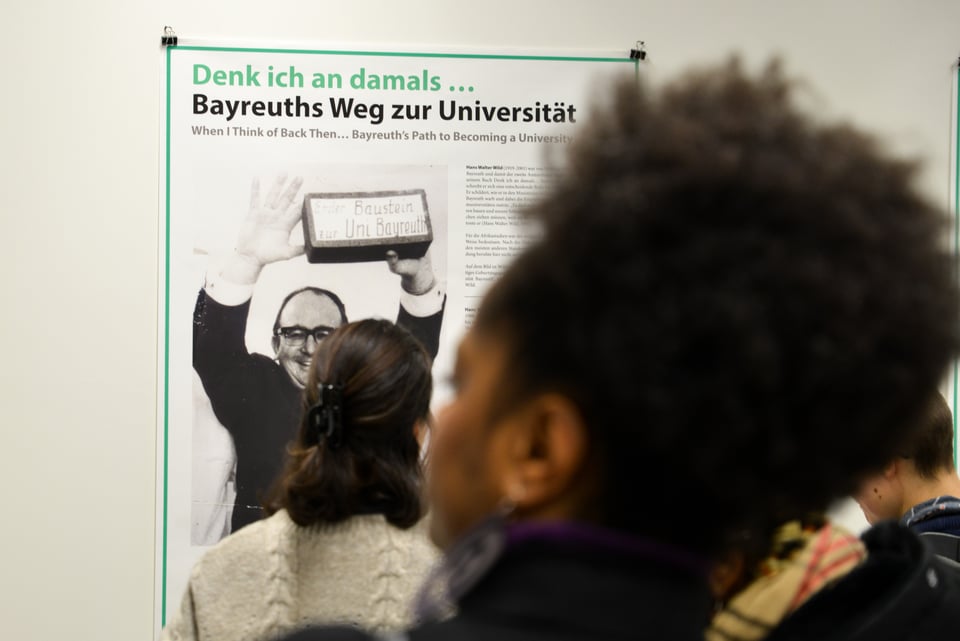
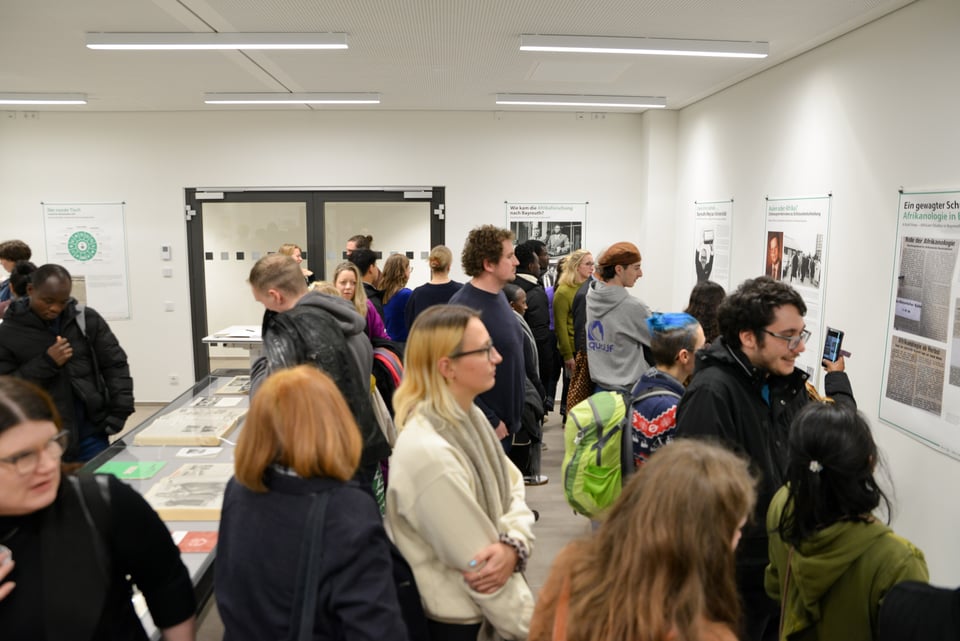
The exhibition traces the evolution of African Studies from the 1970s to the present day. A central feature was a collection of contemporary press articles documenting the early years of African research in Bayreuth and its collaborations with African partners. These sources reveale how the then new academic field was received in regional and national media, and what political and societal expectations accompanied its emergence.
Archival materials from the university and the city archive, along with institutional and scholarly documents, illustrate how a relatively small initiative grew into a globally networked research field. They also demonstrate how media coverage from newspapers in Upper Franconia and beyond contributed to shaping public perceptions of Africa and African Studies.
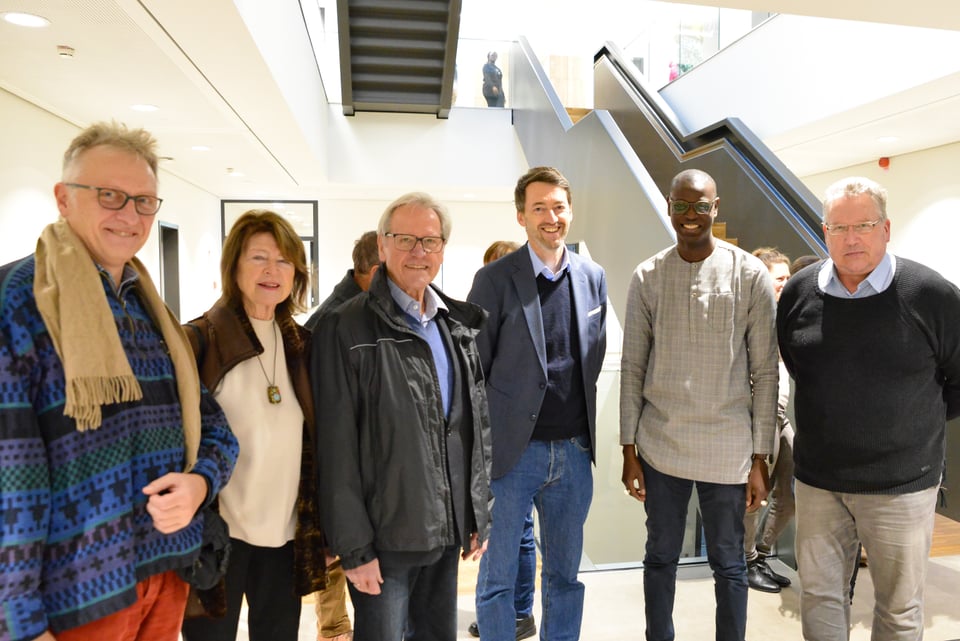
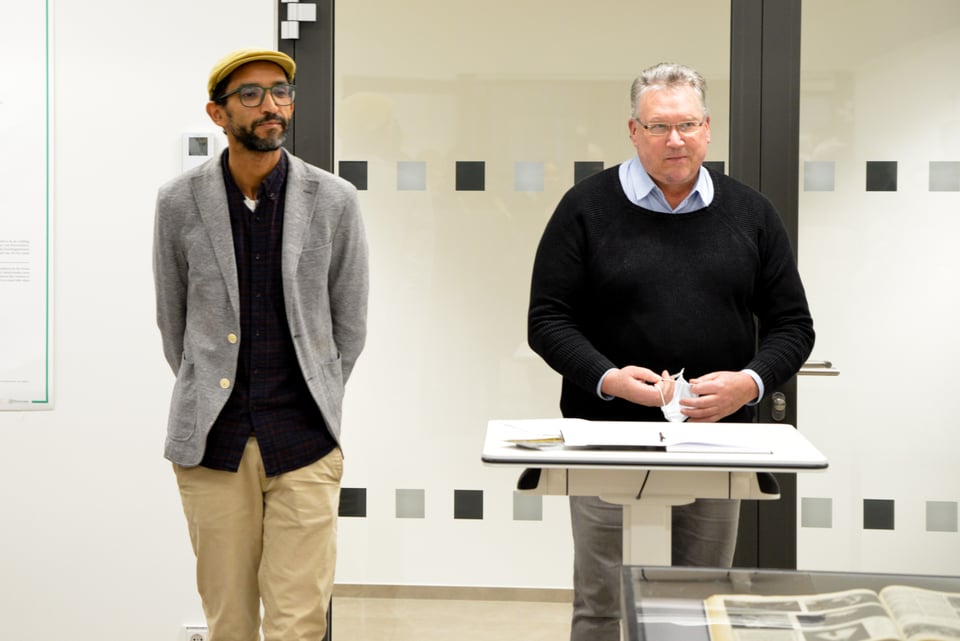
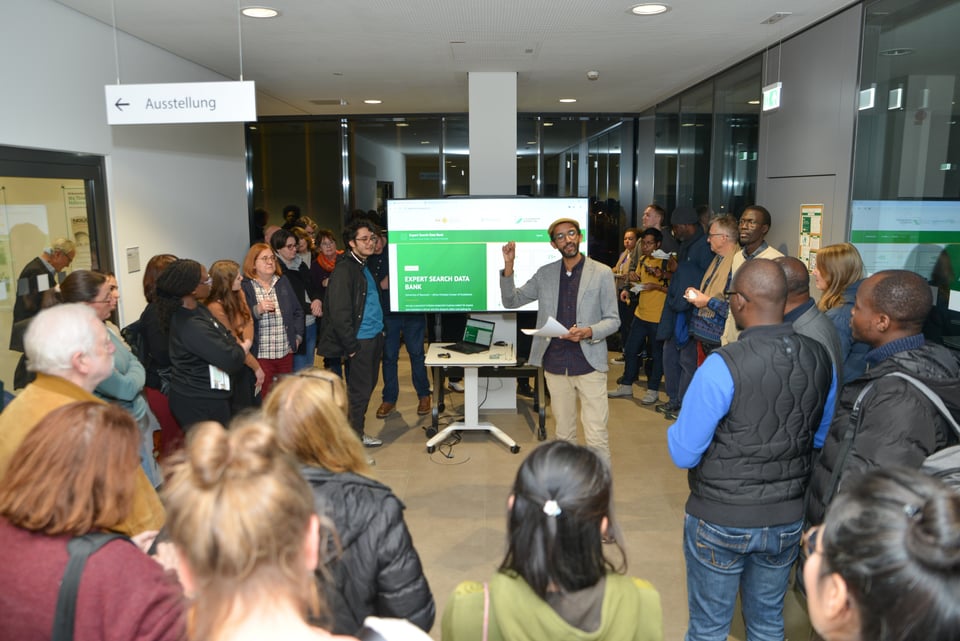
During the exhibition’s vernissage that took place on 25 November 2025 Dr Sene noted that his own surprise at discovering such a strong tradition of African research in Bayreuth had motivated the project. “Like many others, I was astonished to find such a well-established field of African Studies here,” he explained. “The anniversary year provided an ideal opportunity to make this often forgotten institutional history visible.” He added that the exhibition did not merely present “Africa in Bayreuth”, but also reflected processes of change and the ways in which Africa had been represented at the intersection of politics, academia and the media.

Myths, Debates and Institutional Challenges
The accompanying press coverage revisited longstanding assumptions about how African Studies had taken root in Bayreuth. Some oral narratives had attributed its foundation to direct political influence, including stories linking it to the former Bavarian Minister-President Franz Josef Strauß. However, historical research suggested that the development of African Studies had been less the product of singular political intervention than of structural decisions taken during the university’s founding phase between 1970 and 1975.
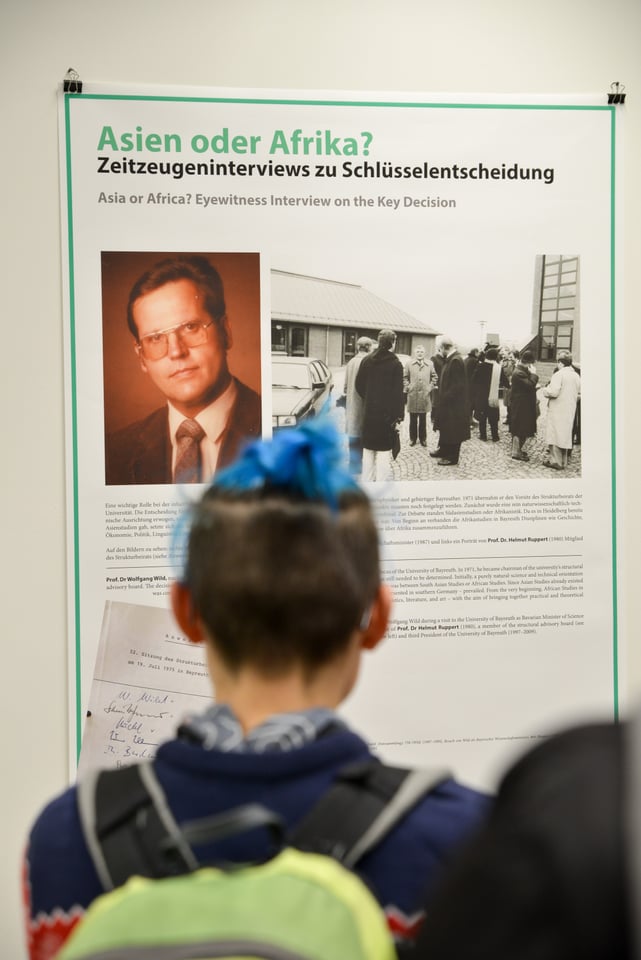
The university’s Strukturbeirat initially envisioned the institution with a strong emphasis on the natural sciences. During its foundational phase, the advisory body also advanced proposals aimed at broadening the academic profile, recommending investment in development–related expertise and the creation of innovative interdisciplinary structures. Faced with a choice between establishing South Asian Studies or African Studies, the university ultimately followed the Strukturbeirat’s recommendations, leading to the creation of African Studies. Over time, Bayreuth established itself as a distinctive centre for African research, even while operating in competition with other Bavarian universities.
Yet the exhibition and related reporting also addressed tensions and contradictions. While Bayreuth promoted dialogue and critical self-reflection – including debates on racism and colonial legacies – structural challenges persisted. Issues such as housing discrimination and bureaucratic hurdles affecting African, Black, and other scholars and students from underrepresented ethnic groups working in this field demonstrated that African Studies did not develop in a vacuum, but within broader societal contexts.
A Place of Encounter Beyond Upper Franconia
At the exhibition opening Professor Rüdiger Seesemann, spokesperson of the Africa Multiple Cluster of Excellence, described Bayreuth’s African Studies as radical and experimental in their beginnings – an approach that continued to resonate. The concept aimed to move beyond traditional, eurocentric models of Area Studies and instead foster collaborative, transregional perspectives.
For Dr. Sene, this orientation remained central: “Bayreuth African Studies stood for a place of encounter that reached far beyond Upper Franconia.”
Until 10 April 2026 the exhibition still invites visitors to reflect not only on institutional history, but also on how knowledge about Africa had been produced, mediated and debated over time. Admission is free of charge; opening hours are 8 am to 10 pm.