

News
Cinema Africa Film Festival Bayreuth 2026 – A Retrospective
31.01.2026
Curated by Prof. Dr Ute Fendler, Cinema Africa 2025/26 at the University of Bayreuth unfolded as an extended festival programme, beginning with guest-accompanied screenings in November and December 2025 and culminating in its January 2026 finale at Cineplex Bayreuth, showcasing outstanding contemporary African cinema and fostering intercultural dialogue.
The seventeenth edition of the Cinema Africa Film Festival once again affirmed Bayreuth’s role as a significant site for contemporary African cinema and intercultural dialogue. Curated by Prof. Dr. Ute Fendler, deputy spokesperson of the Cluster of Excellence, and organised within the framework of the Africa Multiple Cluster of Excellence at the University of Bayreuth, the 2025/26 edition unfolded as an extended cinematic programme that began in November 2025 and culminated in its traditional four-day finale at Cineplex Bayreuth from 25 to 28 January 2026.
As in recent years, rather than being confined to a single festival week, Cinema Africa 2026 was conceived as a continuous curatorial process. The first screenings with international guests took place in November and December 2025, thereby laying the thematic and intellectual groundwork for the January finale.
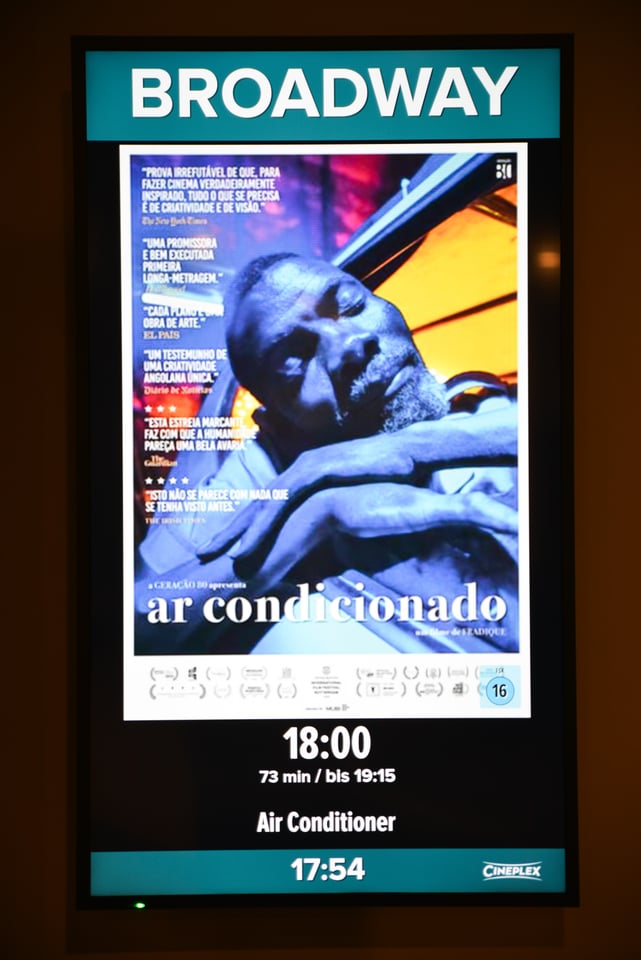
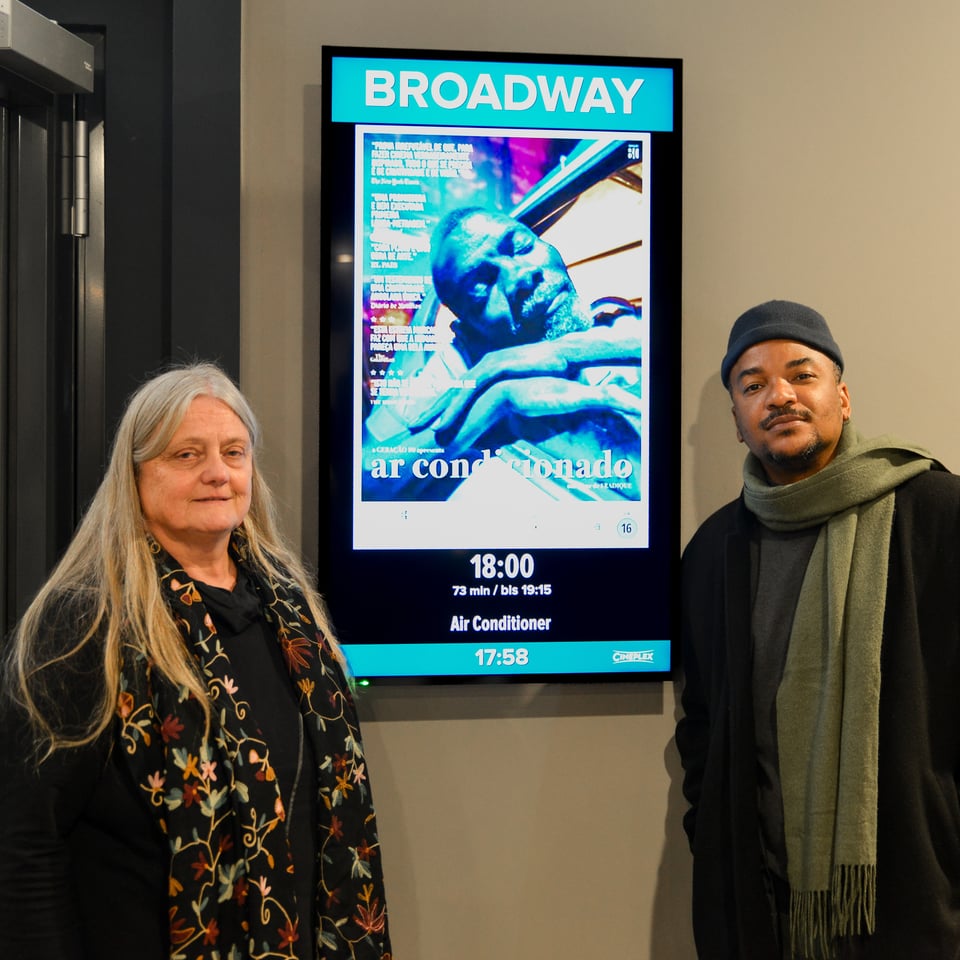
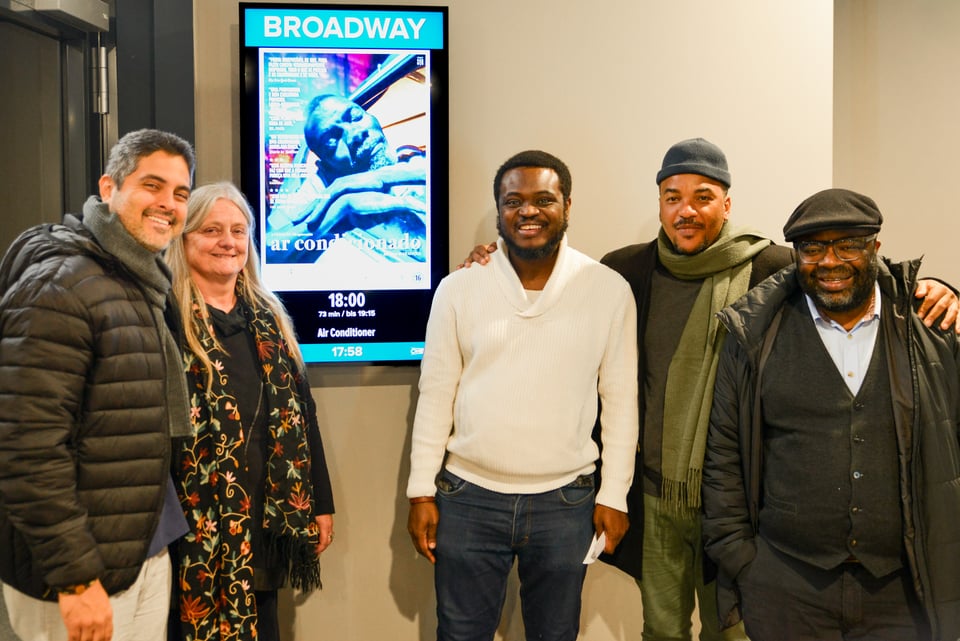
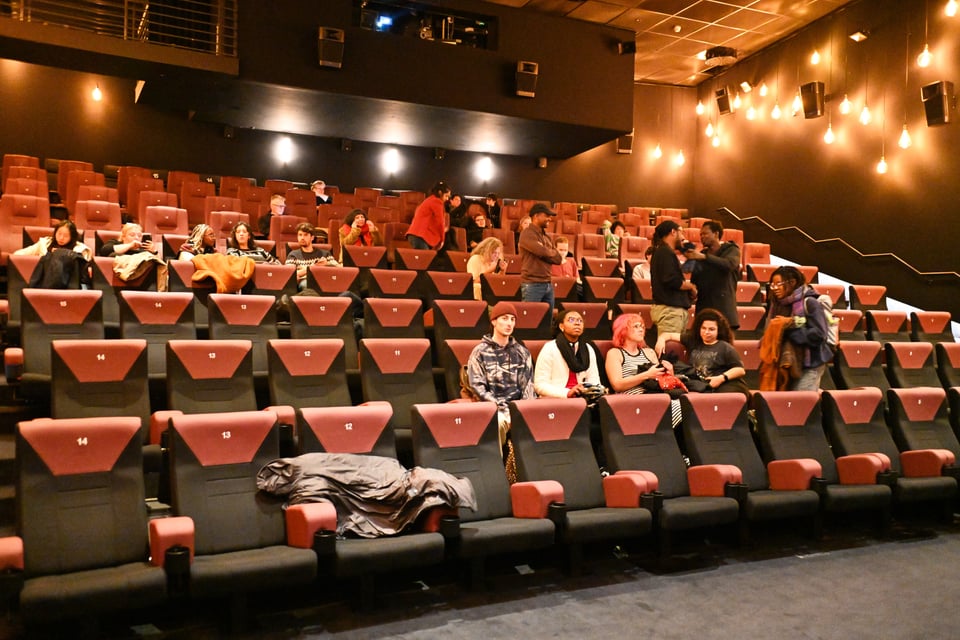
The opening prelude event on 10 November 2025 featured a double screening of Ar condicionado (Air Conditioner) (Angola, 2020) by Fradique and Our Lady of the Chinese Shop (2022) by Ery Claver. This evening also recalled the 50th anniversary of independence of Angola. Both films offered nuanced portrayals of urban life in Luanda, blending elements of magical realism with subtle social commentary and reflections on postcolonial modernity. The evening was accompanied by a discussion with the filmmaker himself, Ery Claver, whose insights into Angolan cinematic production and narrative aesthetics deepened the audience’s understanding of the works presented.
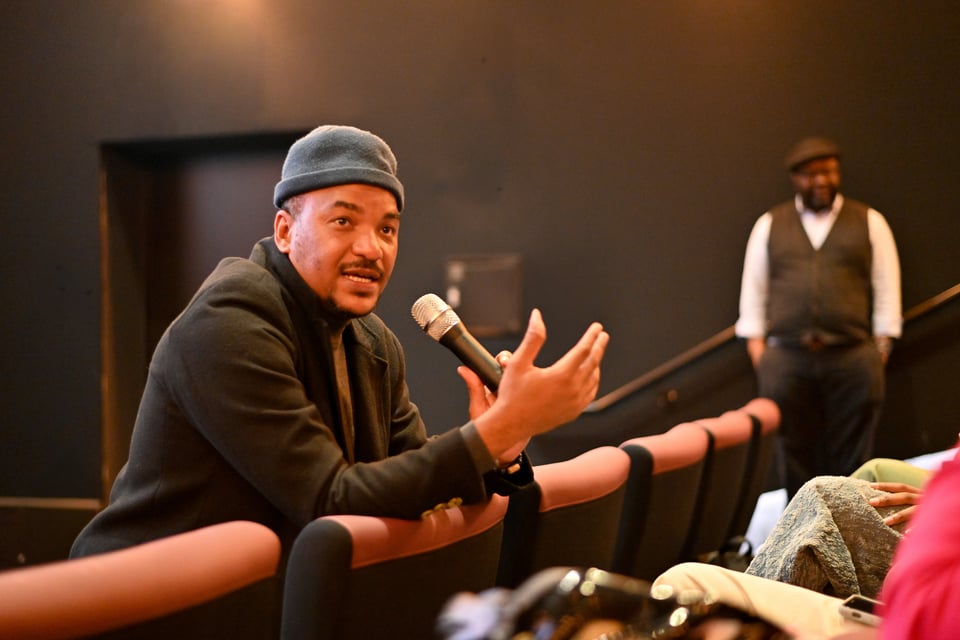
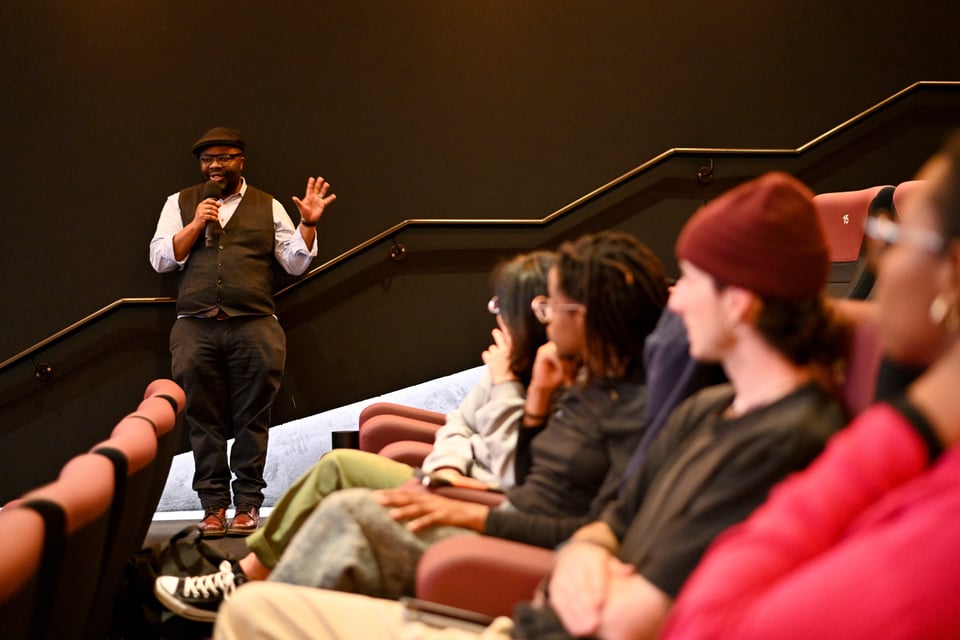
The second pre-festival presentation followed on 8 December 2025 with Fanon (2024), directed by Jean-Claude Barny. The biographical film explores the life and intellectual legacy of Frantz Fanon, situating his psychiatric practice and political engagement within the historical context of colonial Algeria and the struggle for independence. Director Jean-Claude Barny attended the screening and engaged in an illuminating conversation with the audience, reflecting on the contemporary relevance of Fanon’s thought and the challenges of translating historical figures into cinematic form.
These November and December events thus formed the first chapter of Cinema Africa 2025/26, establishing an extended dialogue between filmmakers, scholars and audiences. The January screenings subsequently marked the festival’s culmination, bringing the programme to its public finale in the established format at Cineplex Bayreuth.
From 25 to 28 January 2026, the festival presented four evenings of carefully selected films, each screened in its original language with English subtitles. This commitment to linguistic authenticity and accessibility has long been a defining feature of the Cinema Africa film festival in Bayreuth and once again contributed to an atmosphere of openness and intercultural exchange.

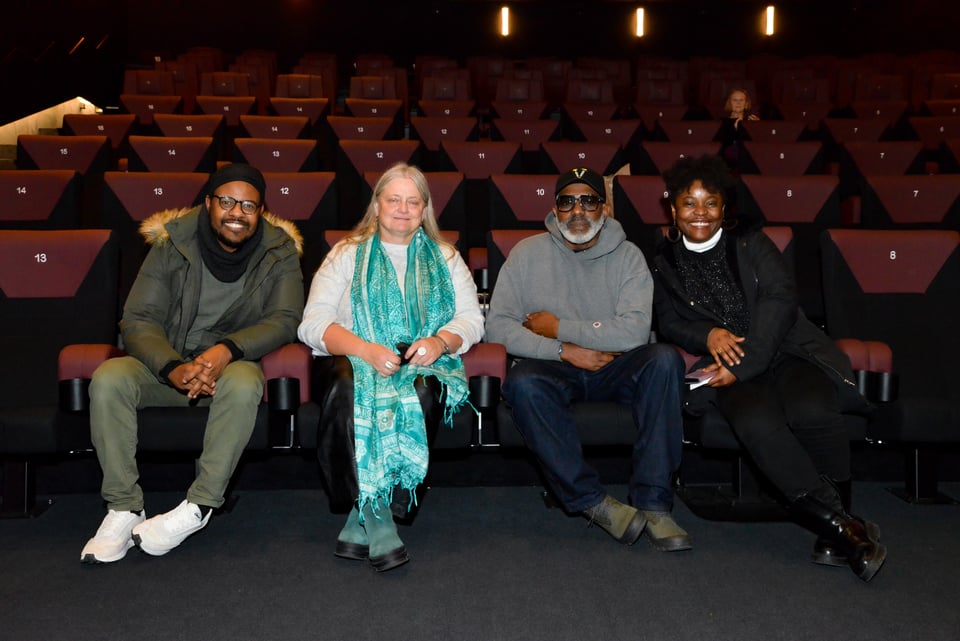
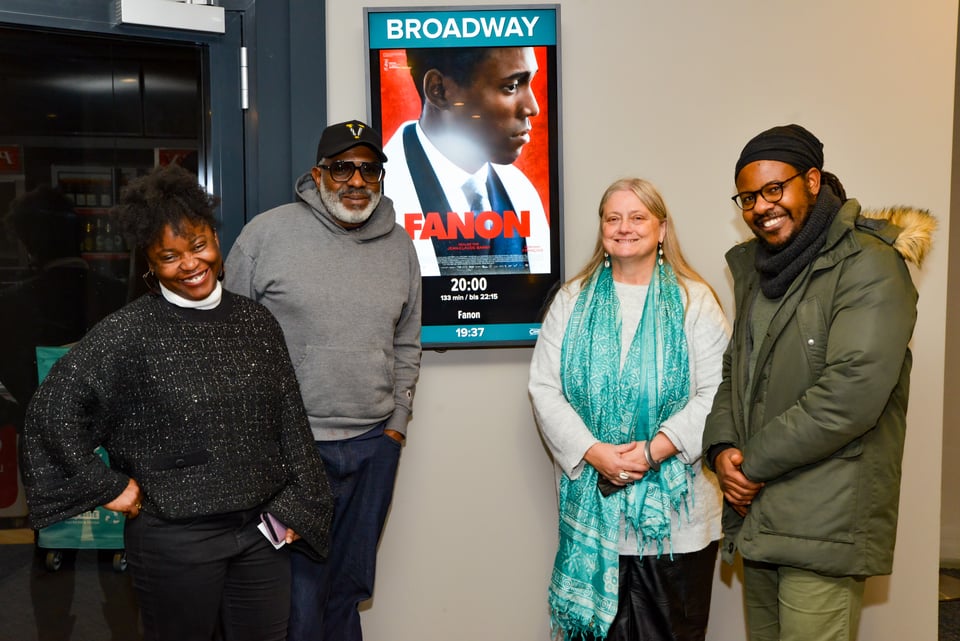

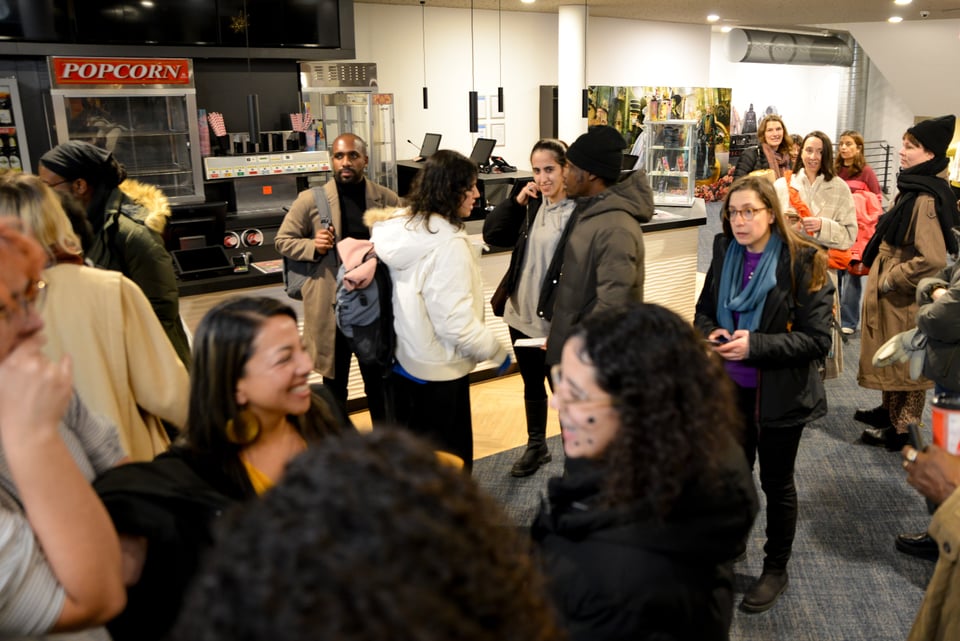
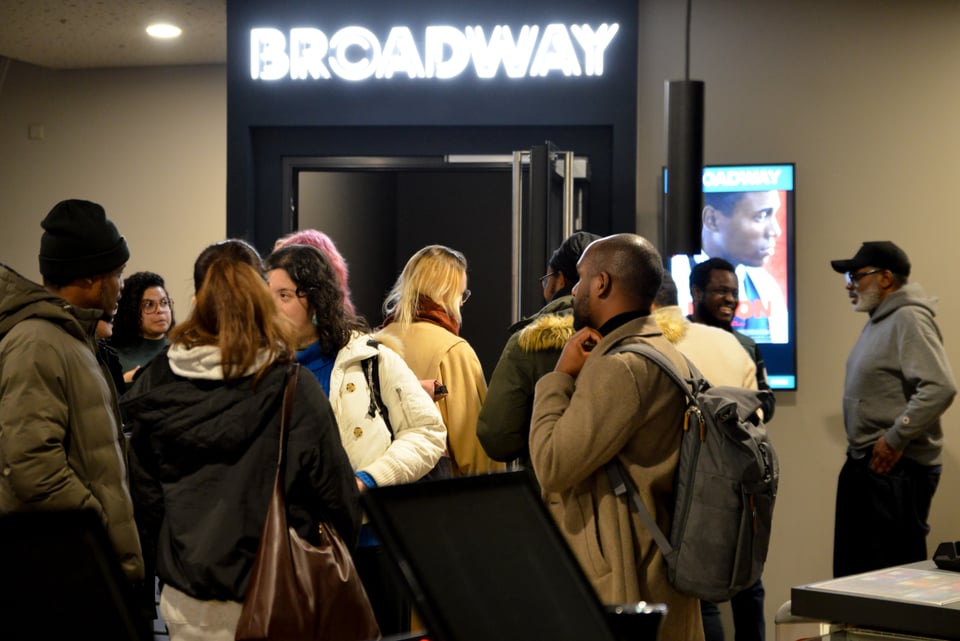
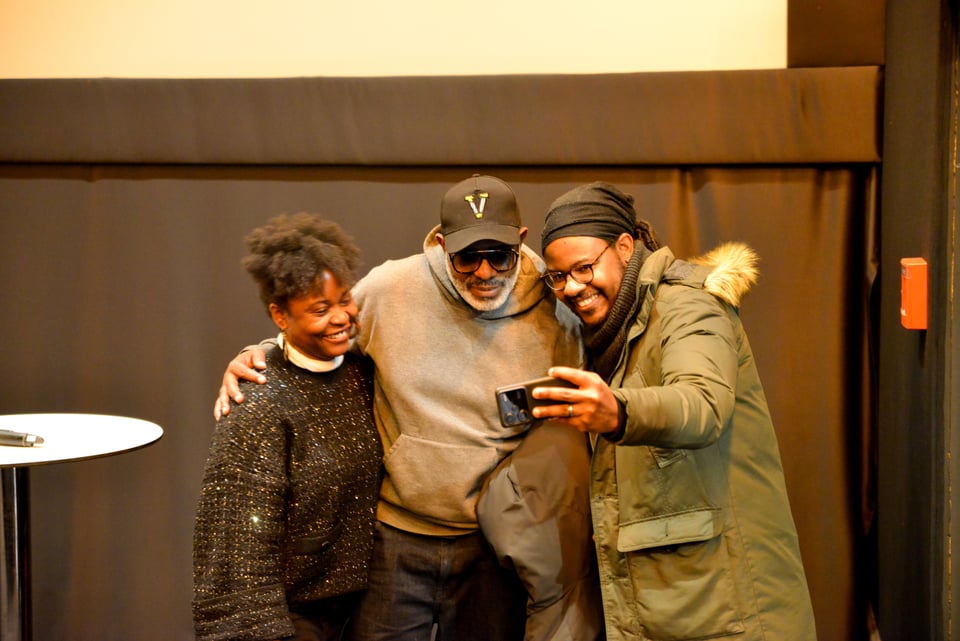
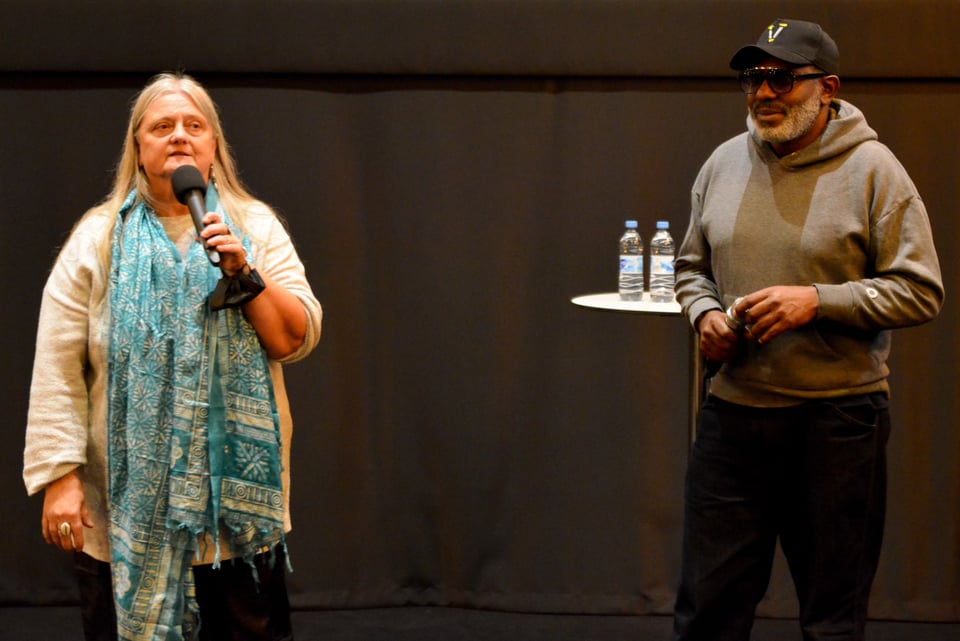

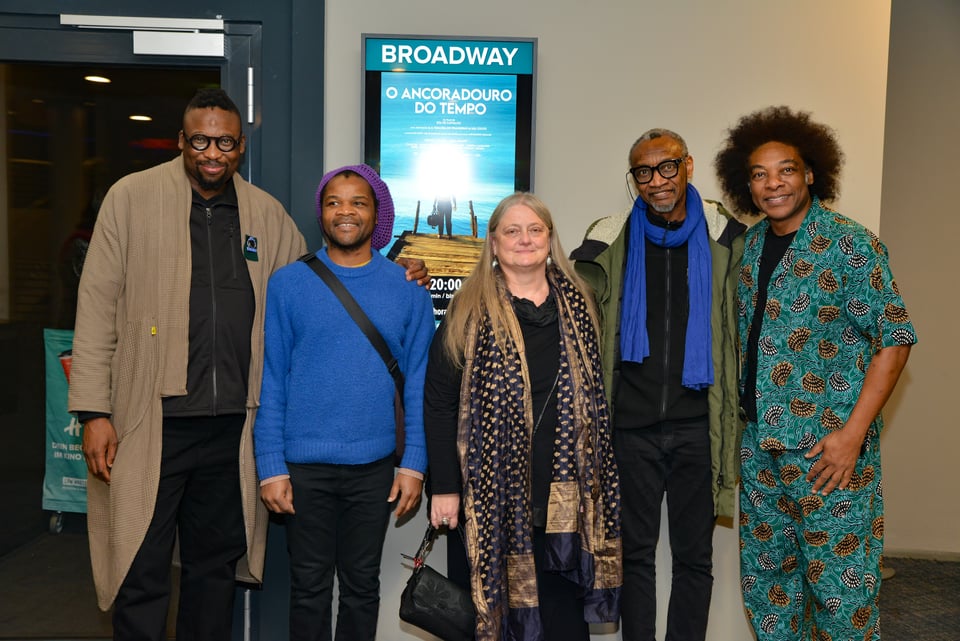
The finale opened on Sunday, 25 January 2026, with Sol de Carvalho: The Anchorage of Time (Mozambique/Portugal, 2024). Set within the evocative walls of a former colonial
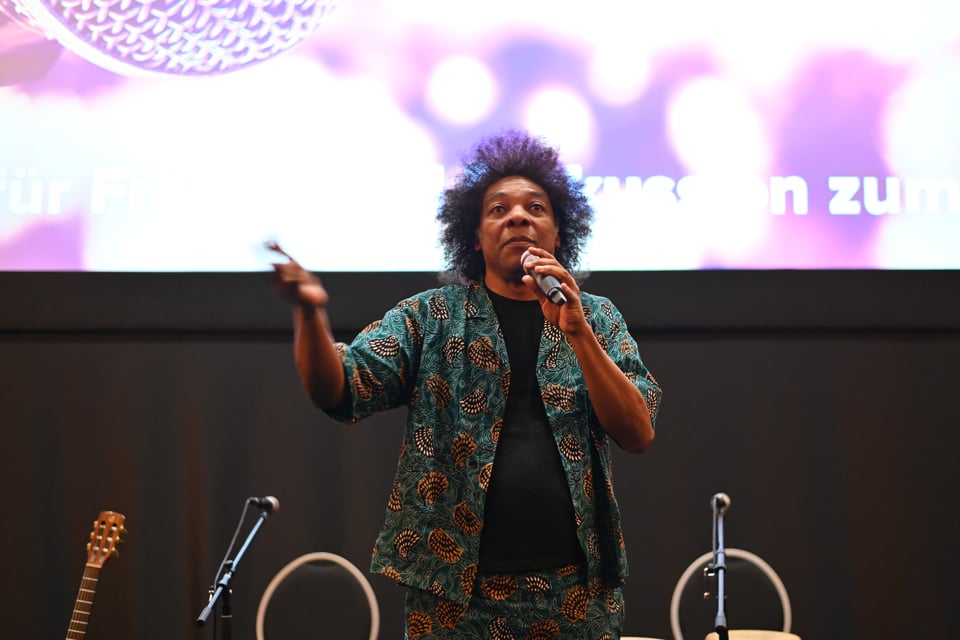
fortress now functioning as an elderly care home, the film follows the young detective Izidine as he investigates a mysterious death. What begins as a crime narrative gradually unfolds into a multi-layered meditation on memory, justice and the lingering traces of colonial history. The opening of the festival’s finale was fittingly complemented by a musical performance by Stewart Sukuma, actor and composer of the featured film’s music, accompanied by Matchume Zango. Sukuma, a Mozambican musician and composer, created a compelling dialogue between cinema and music, underscoring the festival’s interdisciplinary dimension.
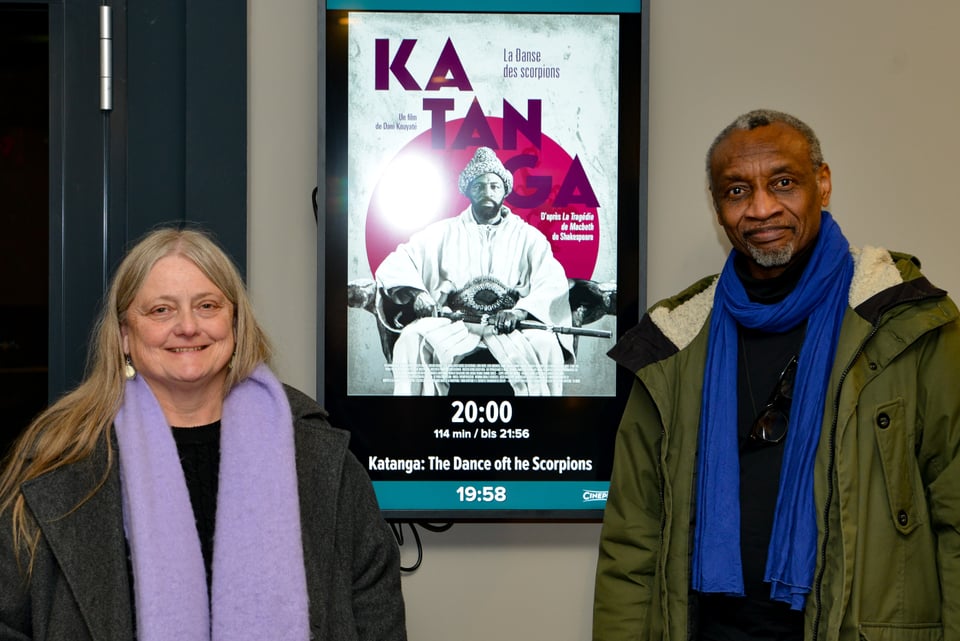
On Monday, 26 January, the programme continued with Katanga – The Dance of the Scorpions (Burkina Faso, 2025) by Dani Kouyaté. Drawing inspiration from Shakespeare’s Macbeth, the film reimagines the classical tragedy within the fictional African kingdom of Ganzurgu. Through its integration of oral storytelling traditions, political allegory and striking visual composition, the film offered a powerful reflection on prophecy, ambition and the dynamics of power. Dani Kouyaté, an internationally acclaimed filmmaker, storyteller and educator born in Bobo-Dioulasso in 1961, won the Golden Award of Fespaco 2025. He was present for the screening and discussion. His longstanding engagement with African narrative traditions and global cinema provided invaluable contextual insights.

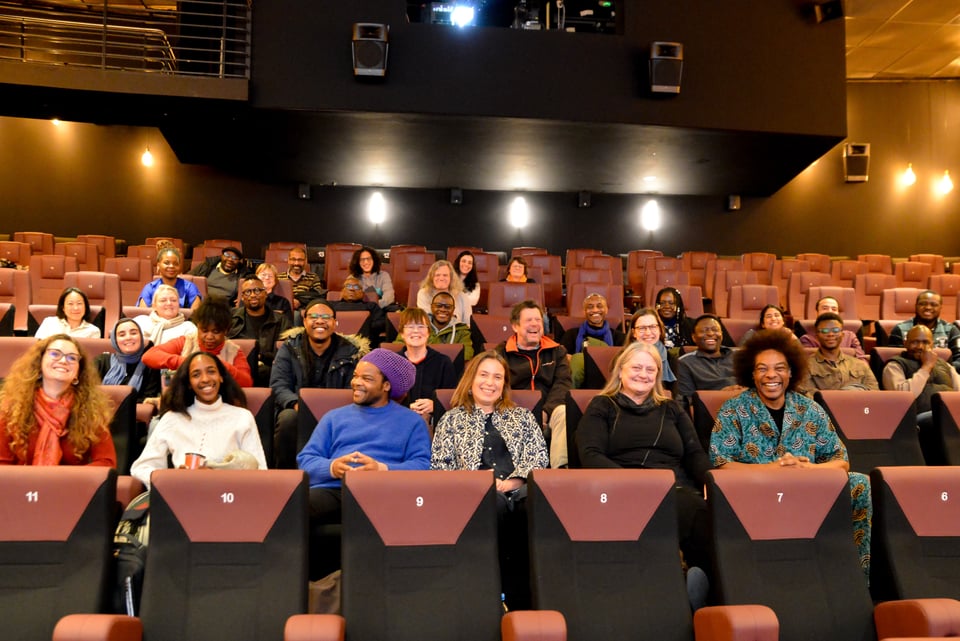


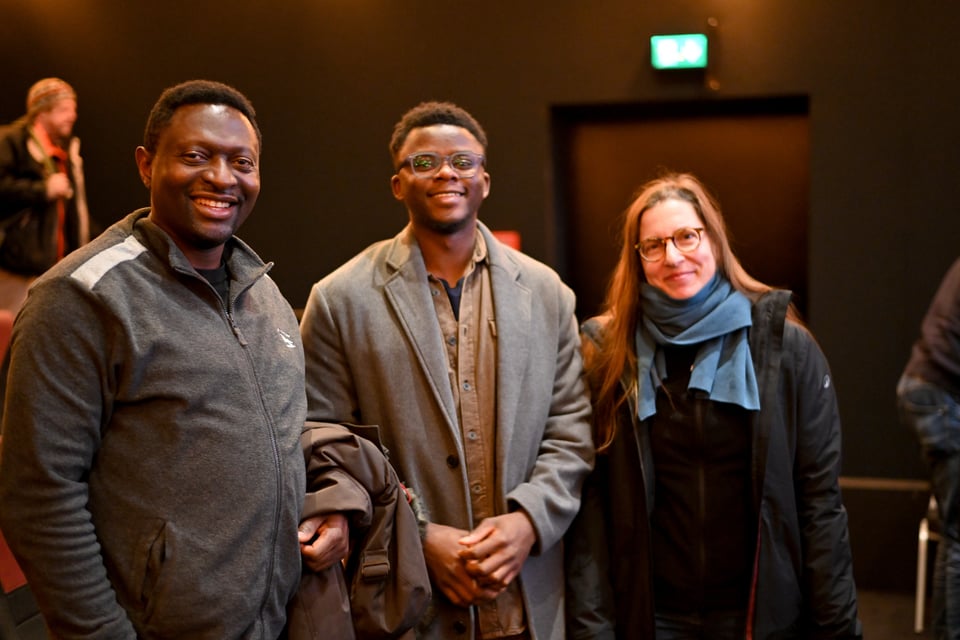

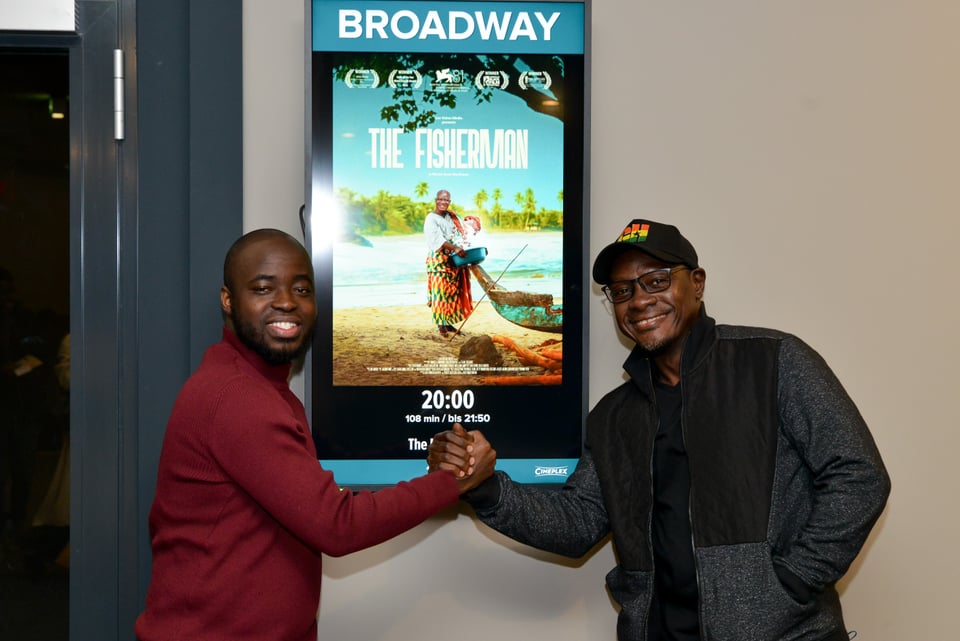
The third evening, on Tuesday, 27 January, featured The Fisherman (Ghana/USA, 2024), a genre-blending film that combines elements of magical realism and comedy with a thoughtful reflection on cultural change. The story of Atta Oko, a fisherman who embarks on an unusual journey alongside a talking fish, unfolds as an imaginative meditation on tradition, modernity and ecological transformation. The screening was accompanied by producer Kofi Owusu-Afriyie, a Ghanaian film professional with extensive international experience. As co-founder of Luu Vision Media and producer of The Fisherman, which premiered at the Venice Biennale and received UNESCO’s Fellini Medal, Owusu-Afriyie offered valuable perspectives on transnational collaboration and the global circulation of African cinema.


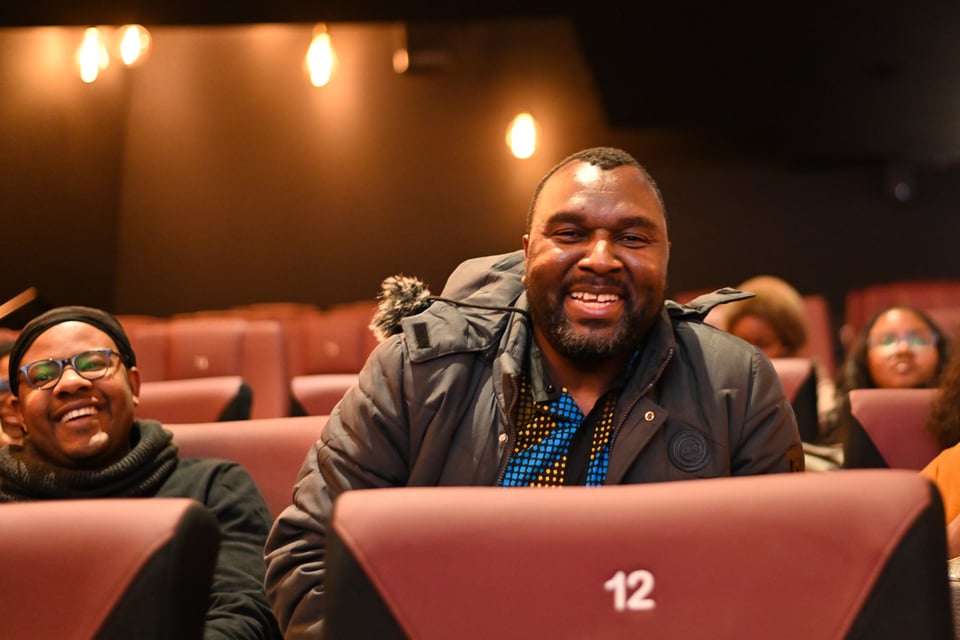
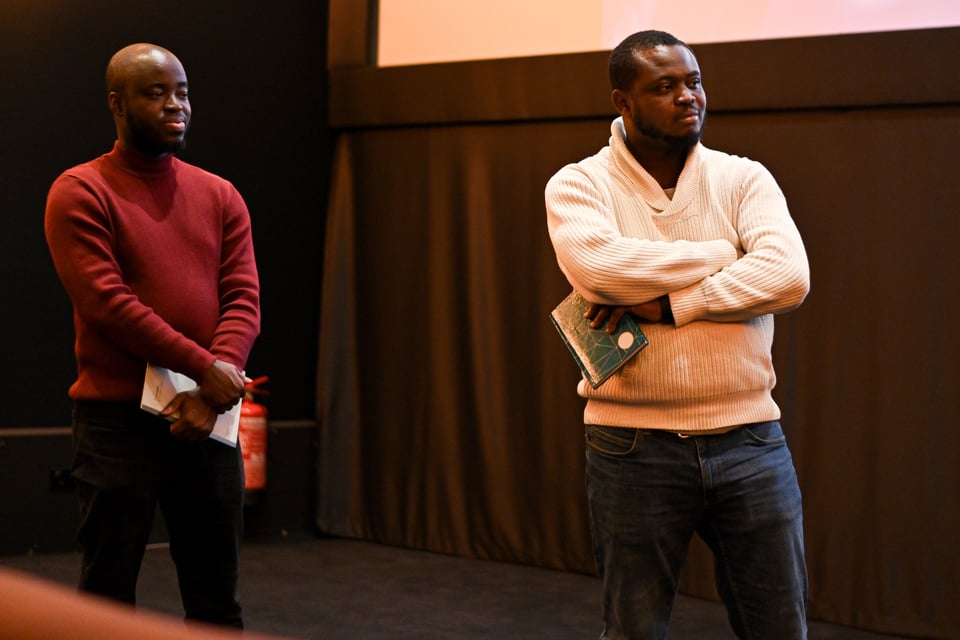
The festival concluded on Wednesday, 28 January, with a double feature that highlighted both emerging and established voices. The short film Beutset (2023) by Alicia Mendy explored themes of marginalisation, spirituality and political awakening through the story of a young man confronting personal and societal transformation. This was followed by Dent pour Dent (Tooth for Tooth) (2023), directed by Ottis Mamadou BA, which presented a nuanced portrayal of dignity and resilience in contemporary Senegalese society. Through the character of Augustin, the film examined economic precarity, self-worth and the complexities of social change with emotional subtlety. Although Ottis Ba Mamadou BA was unfortunately unable to attend in person, his work nonetheless formed a significant highlight of the closing evening.
Across its extended duration – from the preliminary screenings in November and December 2025 to the January 2026 finale – Cinema Africa once again demonstrated the strength of its curatorial vision under the artistic direction of Prof. Dr. Ute Fendler. By integrating film screenings, guest discussions and musical performance within an academic framework, the festival created a space in which cinematic experience became a catalyst for critical reflection and intercultural dialogue. Post-screening discussions and informal exchanges enabled audiences to situate the films within wider historical, cultural and political contexts. In retrospect, the festival’s latest edition was characterised by its sustained commitment to showcasing the aesthetic diversity and intellectual depth of contemporary African filmmaking.
- For interviews with the cinema Africa 2025/26 filmmakers please visit the Cluster's YouTube channel.