Stewart Sukuma is a Mozambican musician, composer, writer, actor and musical director, widely recognised as one of the most internationally active Mozambican artists of his generation. Over several decades, he has developed a multidisciplinary career situated at the intersection of music, cinema, literature and critical reflection, distinguished by conceptual depth, artistic rigor and strong social awareness.
Born in Mozambique, Sukuma has forged a distinctive artistic language that engages with the complexities of contemporary Mozambican society. Across music, writing and film, his work explores themes such as time, memory, identity, social ethics, power, family and collective responsibility. His artistic practice deliberately resists exoticism and reductive narratives about Africa, proposing instead dense, urban and intellectually engaged forms of expression.
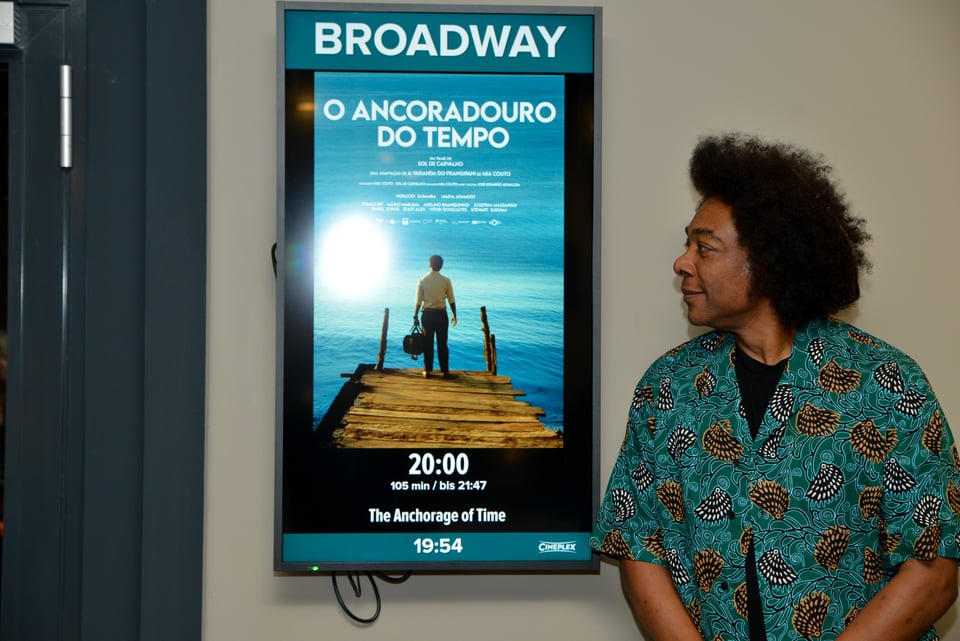
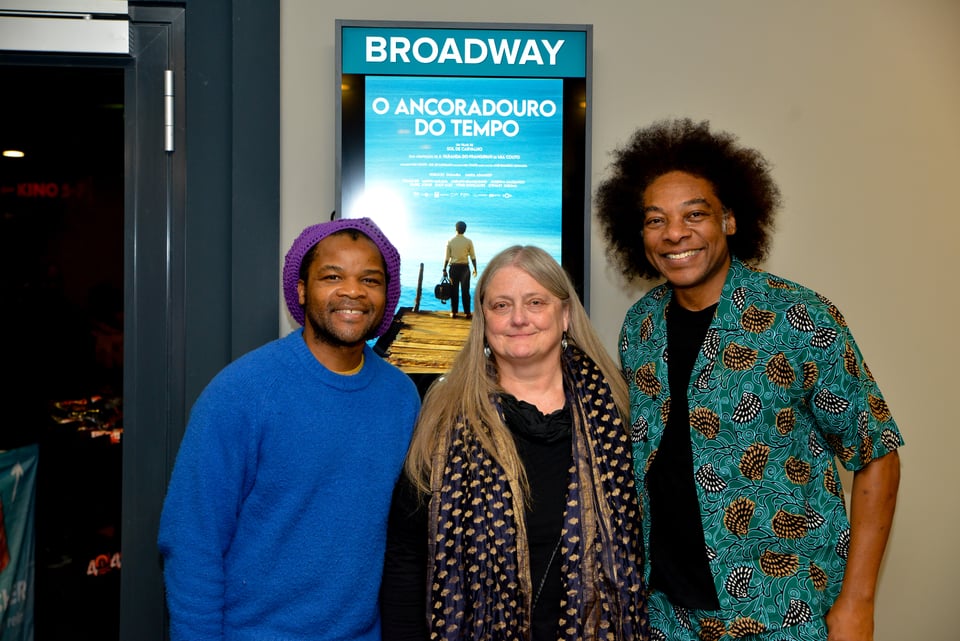
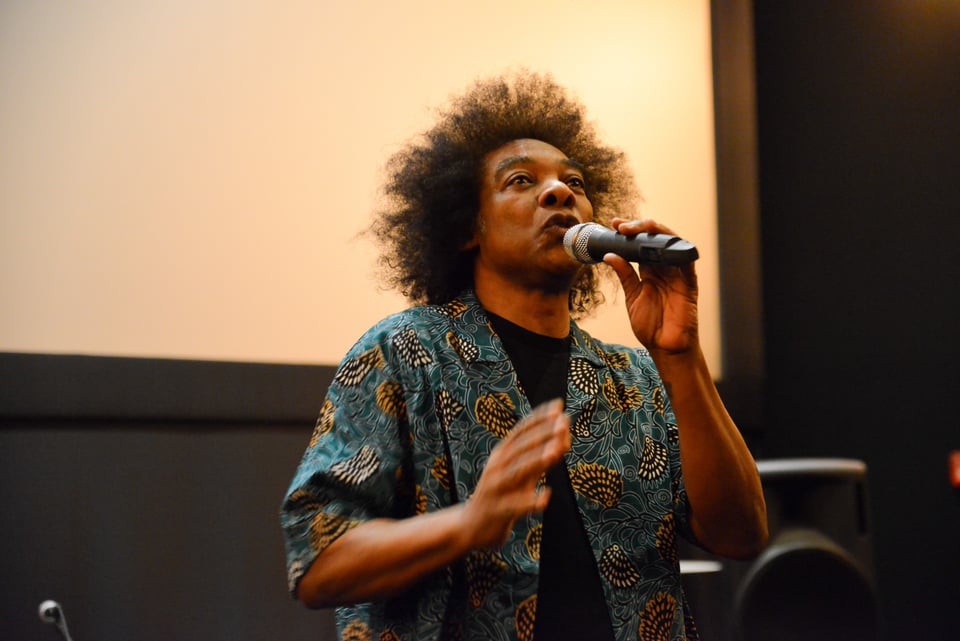
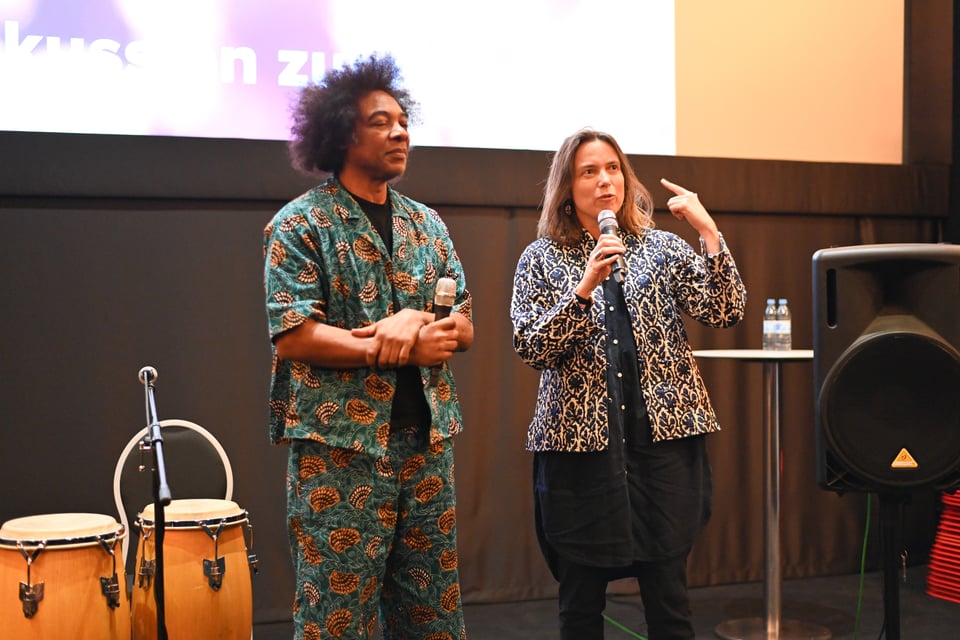
In cinema, Stewart Sukuma has played a significant role as a composer of film scores, musical director and actor, collaborating with some of the most important Mozambican filmmakers. In Bayreuth, he presents a reflection on the music he composed for the film Ancoradouro do Tempo, directed by Sol de Carvalho and based on a text by Mia Couto. In this work, music functions not as a decorative element but as a core narrative force, shaping atmosphere, memory and the poetic experience of time, while dialoguing closely with both literary language and cinematic form.
His approach to film music is structural and conceptual: sound is treated as a space of memory, an internal rhythm of the narrative, and an emotional extension of the image. This perspective is deeply informed by his experience as both a musician and a writer, allowing for a nuanced understanding of dramaturgy, symbolism and silence.
Alongside his work in cinema, Stewart Sukuma has built a solid international music career, performing in numerous countries across Africa, Europe and the Middle East. He maintains a long-standing artistic relationship with Europe, including more than 15 years of collaboration with Austria, working with European musicians and ensembles in demanding intercultural contexts.
As a writer and public intellectual, Sukuma articulates a structured critical perspective through texts, public interventions and audiovisual projects. His thinking positions culture as a space of ethical responsibility, historical awareness and active engagement with contemporary social realities.