

News
Gender and Diversity On-Boarding Workshop for BIGSAS Junior Fellows
15.06.2026
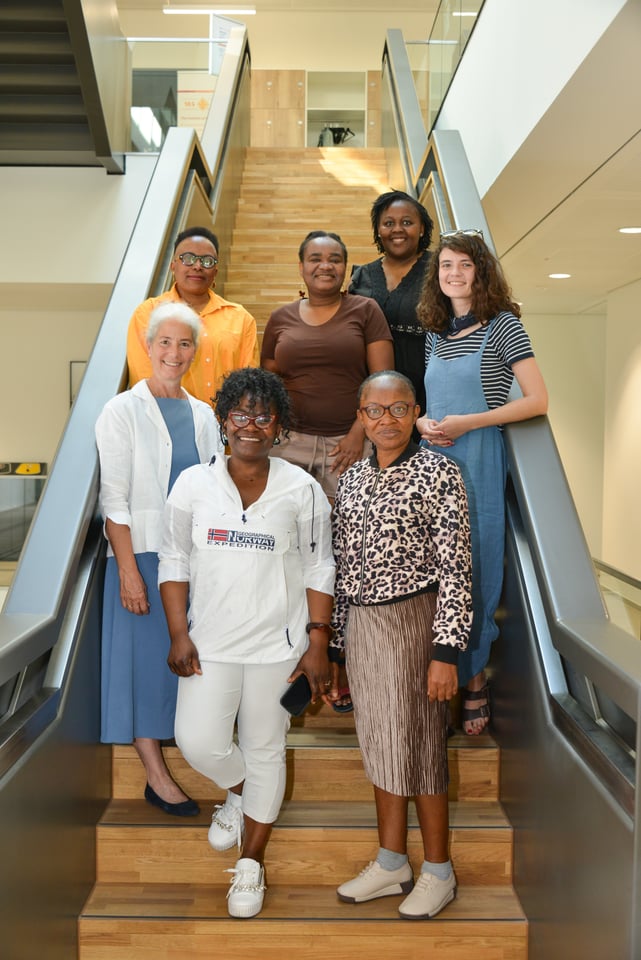
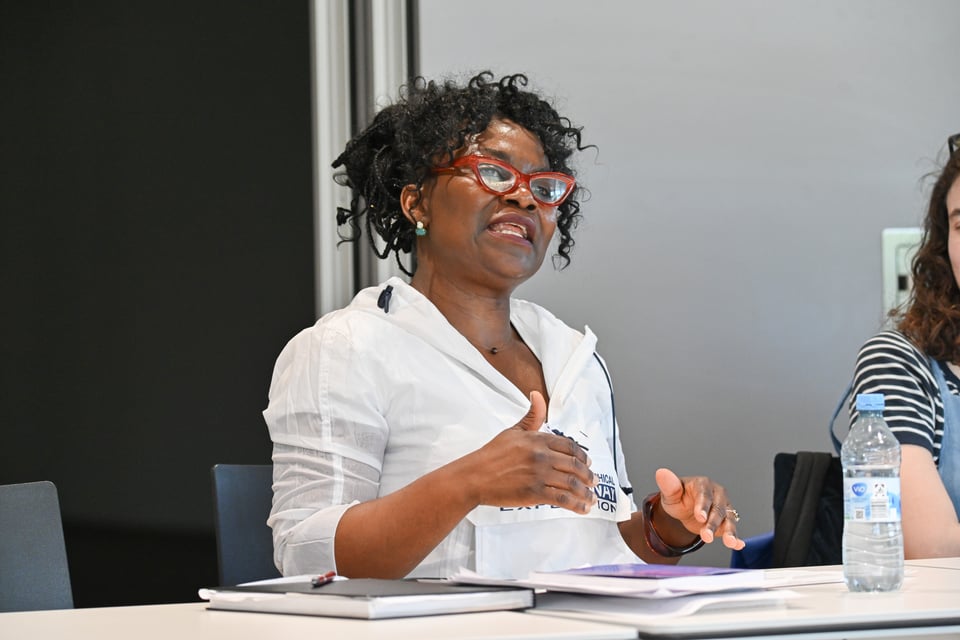
How can art help us understand our identities, experiences, and research trajectories? From 26–28 May 2026, the Gender and Diversity Office of the Africa Multiple Cluster of Excellence welcomed BIGSAS Junior Fellows and early-career researchers to an innovative on-boarding workshop that combined artistic practice with critical reflection on gender, diversity, and intersectionality. As the first event organised by the newly appointed Director of the Gender and Diversity Office, Dr. Pepetual Mforbe Chiangong, the workshop created a space for storytelling, self-reflection, and exchange, inviting participants to map their life journeys and research paths through participatory art-based methods.
By Pepetual Mforbe Chiangong, Director of Gender and Diversity Office, Africa Multiple Cluster of Excellence, University of Bayreuth
Mutual participation through arts supports discourses and practices of relationality that engage target groups in the sharing of experiences and exchanging of stories. These are offerings that pave tangible ways of including marginalised people, groups and communities into mainstream discourses i.e. in research and/or in lived experiences. Yet, marginalised spaces that these inhabit could also be transformed into sites of possibilities and of empowerment. The gesture to transform the dynamics of a group or of a community is possible through critical acts of consciousness-raising that is possible through gender and diversity-strategic acts of endorsement. This supposition leans on the notion that experiences of discrimination that are entrenched in class, ethnicity, race, religion, gender, sexuality, (dis)ability, age, to name just these few, need to be unpacked, critically, through participatory methods.
Should you, in a split second, engage a process of self-reflexivity, you may arrive at a conclusion that you are a critical subject born out of your own critical identities. Seemingly a belaboured subject, you may however recall that your being and very much your identity are hinged on your genders and on your diversities. Should you then elect to wear a gender and diversity lens, you might see the nuances, the complexity, the burden and even the pain layered in a person, a people, groups and communities. Intersectionality becomes a critical framework which you might consider to ascertain and then recognise the positionality of someone living under the burden of several discriminatory experiences. It could be you and it could be me.
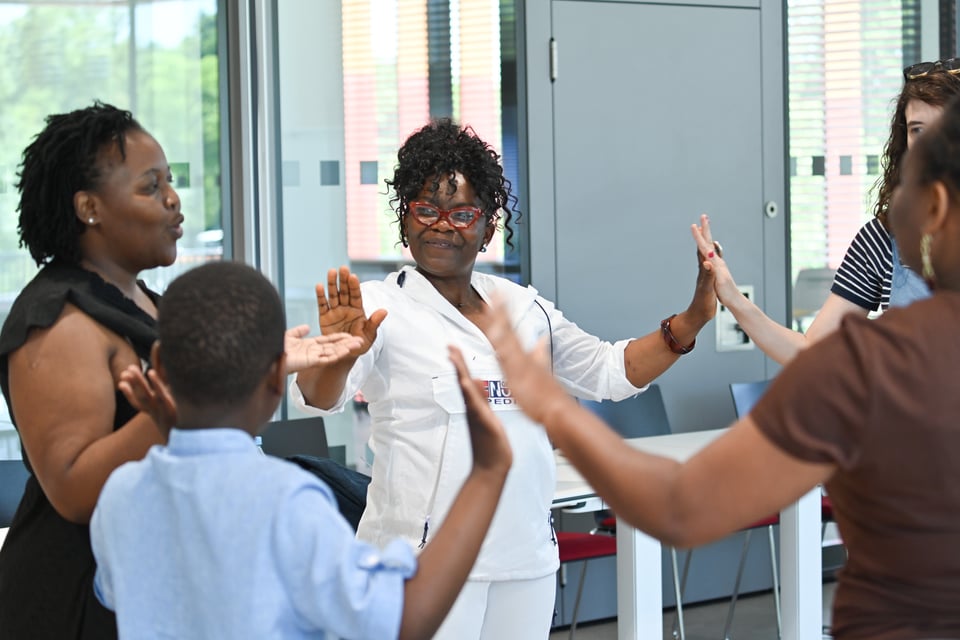
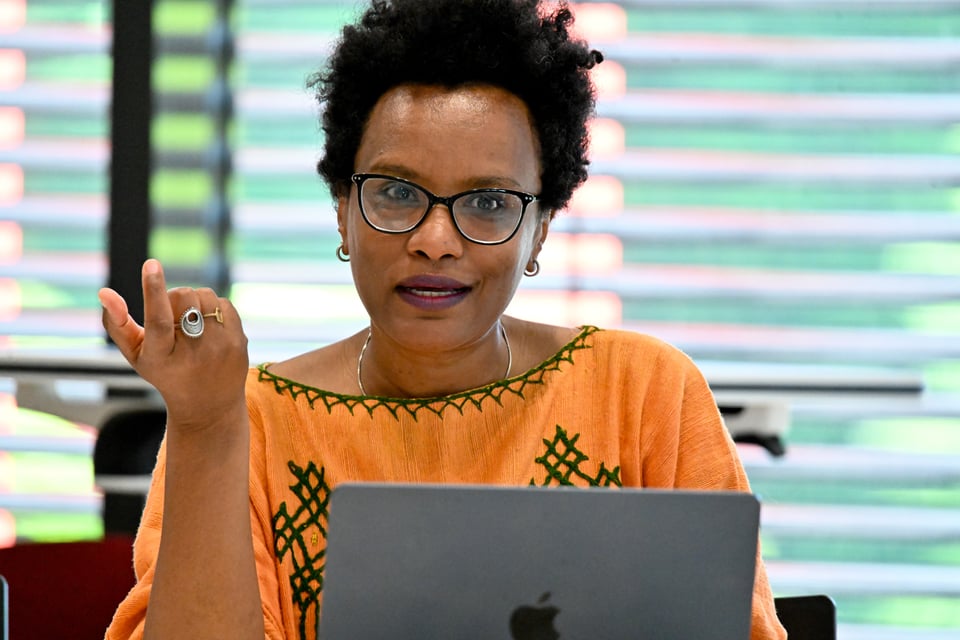
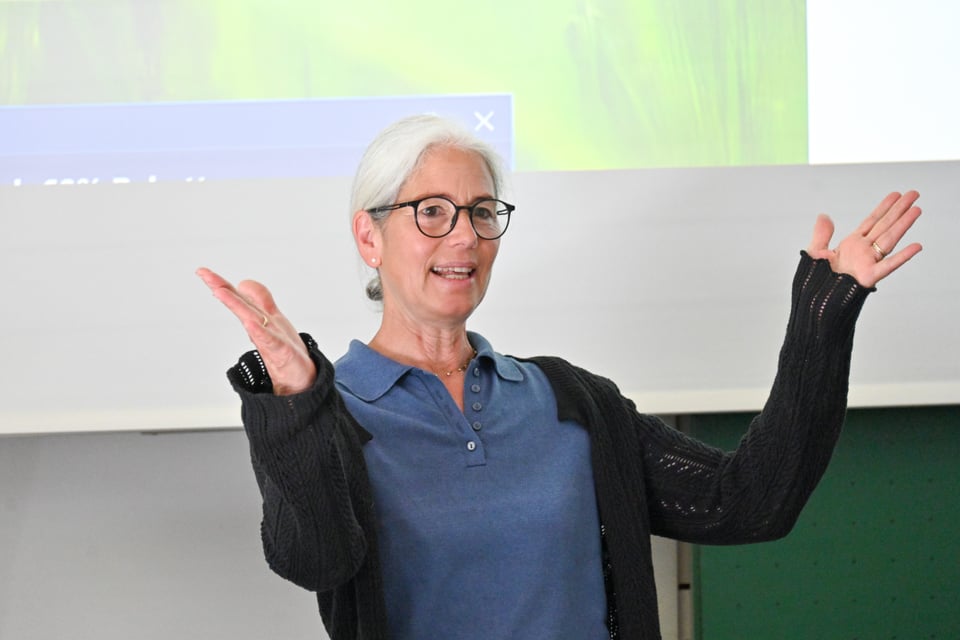
The preceding reflections served as the motivation for the Gender and Diversity Office of the Africa Multiple Cluster of Excellence to organise an On-Boarding workshop for the Bayreuth International Graduate School of African Studies (BIGSAS) Junior Fellows and guest MA and PhD participants; “Joining Along: Intersecting Artistic Forms with Life and Research” which took place from May 26th–28th 2026 at the University of Bayreuth. The activities of the workshop were buttressed by lectures from Prof. Dr. Serawit Debele (Chair of Gender, Sexuality and Religion with Focus on Africa) and Dr. Christine Scherer (Academic Coordinator of Early Career and Equal Opportunity) who spoke to the participants on intersectionality & racism and empowerment processes, respectively. The On-Boarding workshop created a critical space in which the Junior Fellows were informed about the role of the Gender and Diversity Office and importantly the services that it offers to all Cluster and Cluster affiliated members. How gender and diversity could be engaged in their different research was an important subject of discussion and reflection. The workshop participants were encouraged to map their lives as individuals, but also as young researchers through acts of mobility.
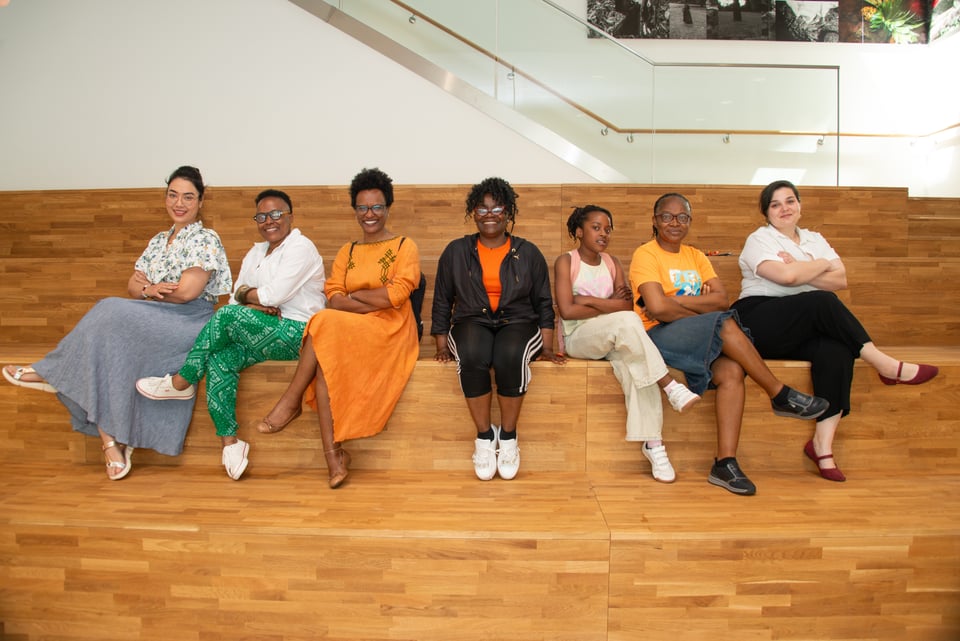
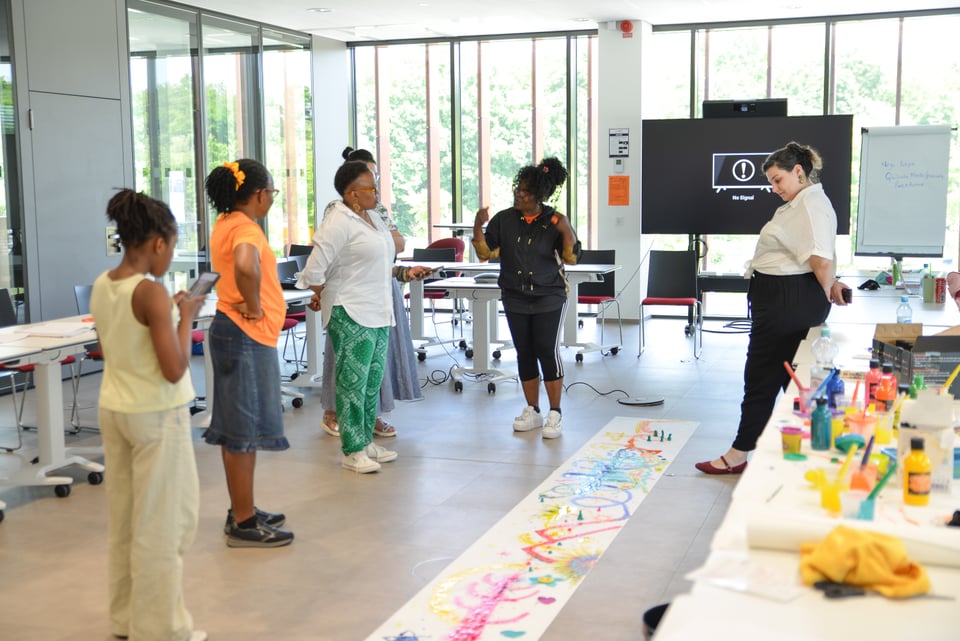
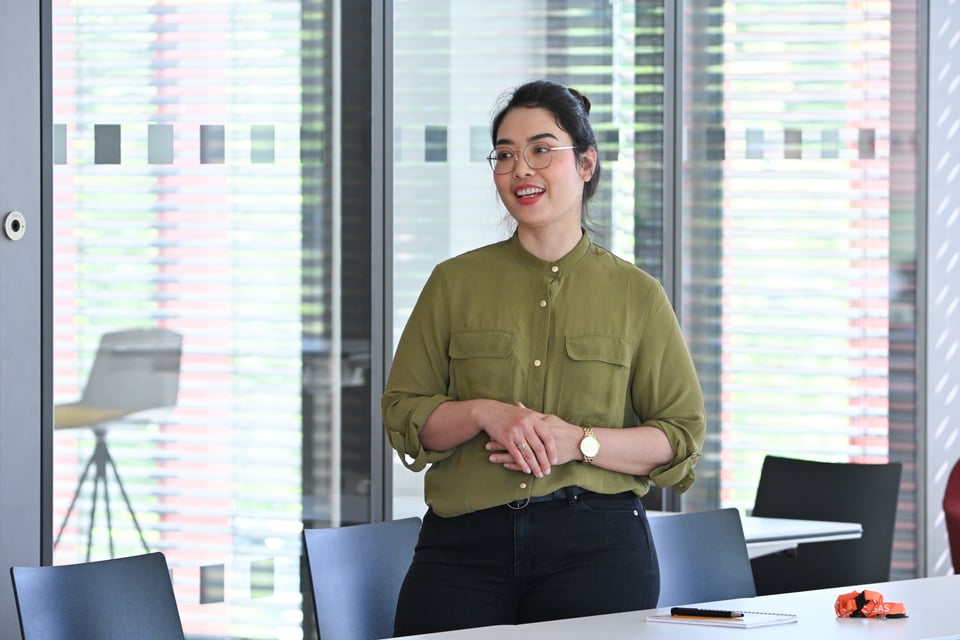
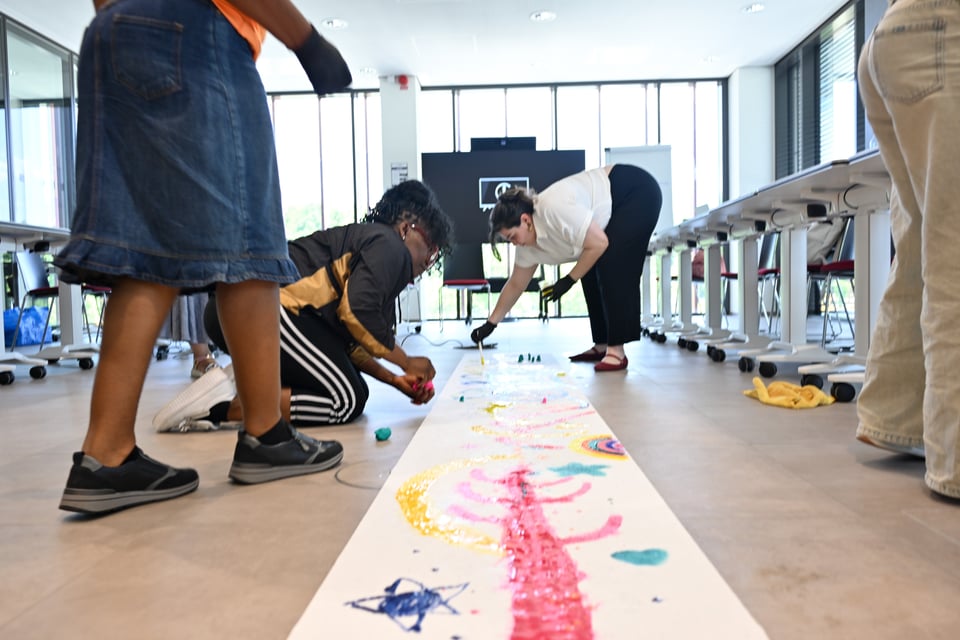
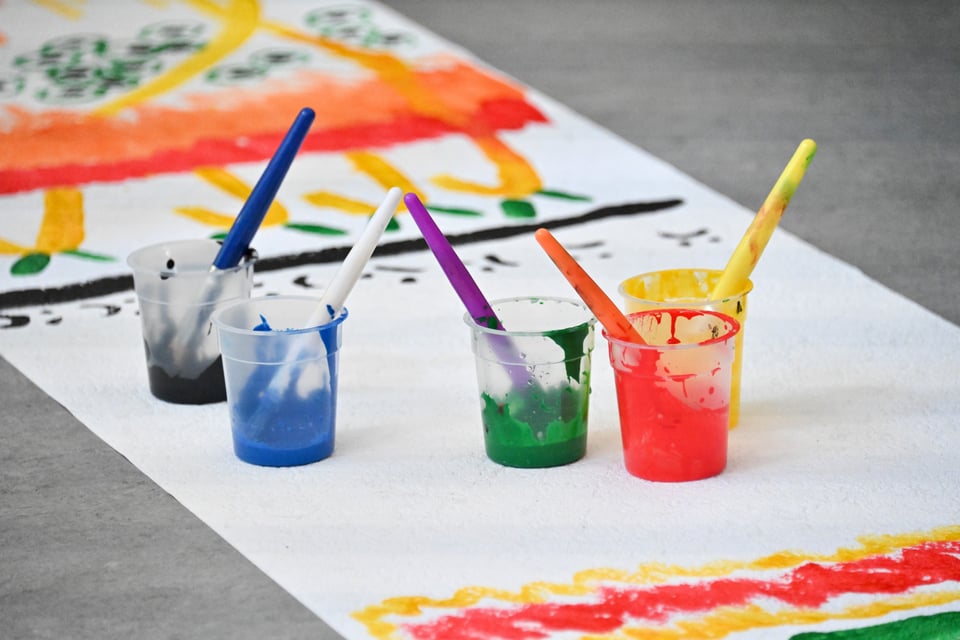
These mapping was demonstrated through “The River of Life'', a participatory visual-art based approach, borrowed from the work of Rosvita Kolb-Bernardes, in which their lives were symbolised through the image of a flowing river. The philosophy behind this practice is that flowing rivers could take voluntary pathways, they could converge with other rivers yet create trajectories. Each path that a river takes comes with new narratives. Through the flow of the watercolours on a white paper, we noted that the river does not only flow, but it forges the entanglements of lives, of challenges, the embodiment of different spaces and the encountering of different people that impact on its course. These encounters could necessitate probing and prompting further strokes with paintbrushes. The same approach was adopted to explore the gender, diversity and intersectionality questions in the research of the participants. From the trajectories that the river took, one could discern the contestations, the diversions, collaboration and the diversity of topics in their research. Against this backdrop, we observed that intersectionality is a worthy analytical tool. It is not only an uncompleted project, but it is also cyclical. Art provided the participants to see their research questions mapped with different symbolic shades of watercolours, which did not only build self-confidence and the urge to engage their research, but it also clarified their research trajectories just like the flow of the river.