
News
Rain, Rhythm and Research: Africa Multiple at the Afrika Karibik Festival Bayreuth
23.07.2026
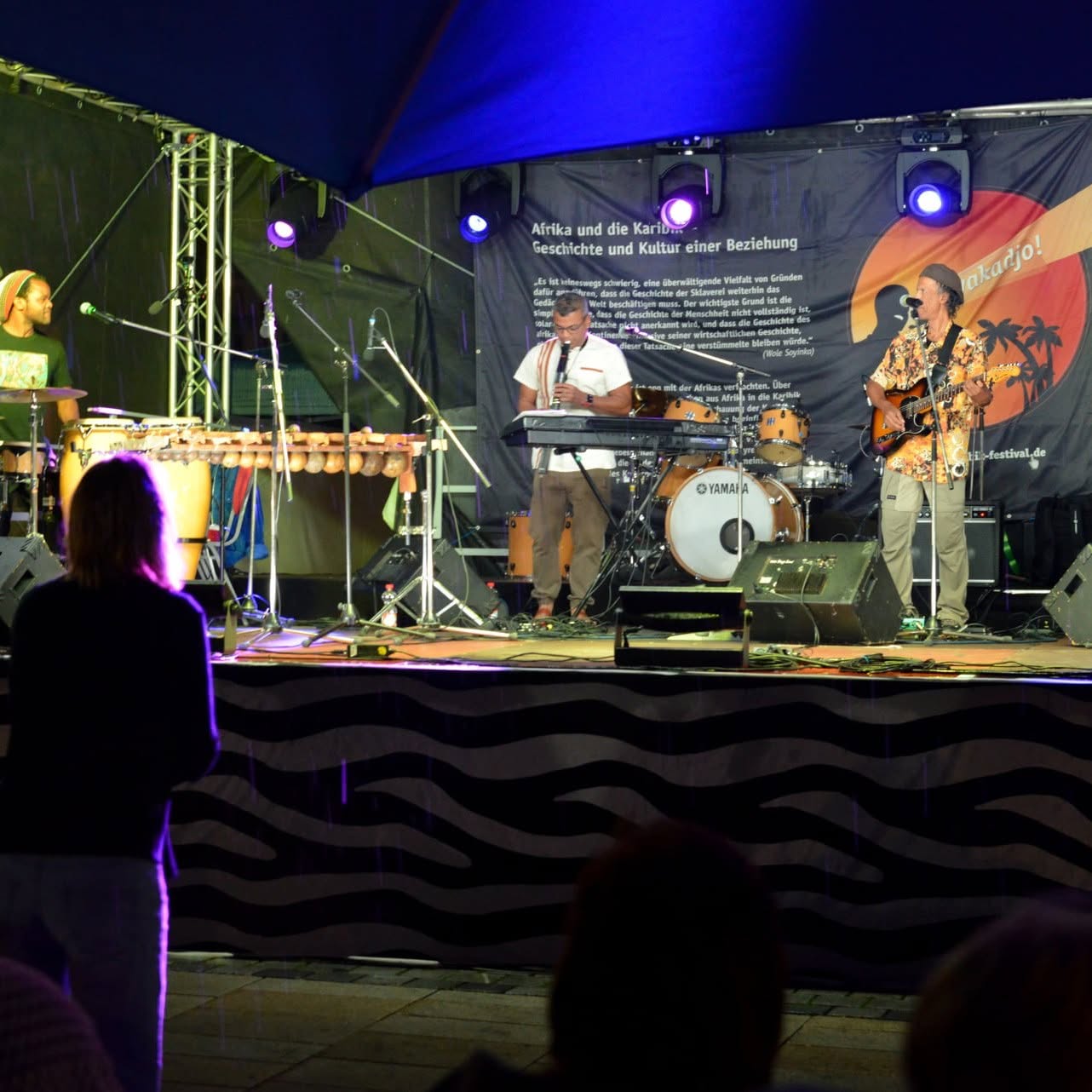
Despite the rain, MORUMA brought the rhythms and musical traditions of the Indian Ocean to Bayreuth’s city centre, where a spirited audience danced through the downpour. The following day, the Cluster continued its presence at the Afrika Karibik Festival with exhibitions, information and conversations about African Studies at the University of Bayreuth.
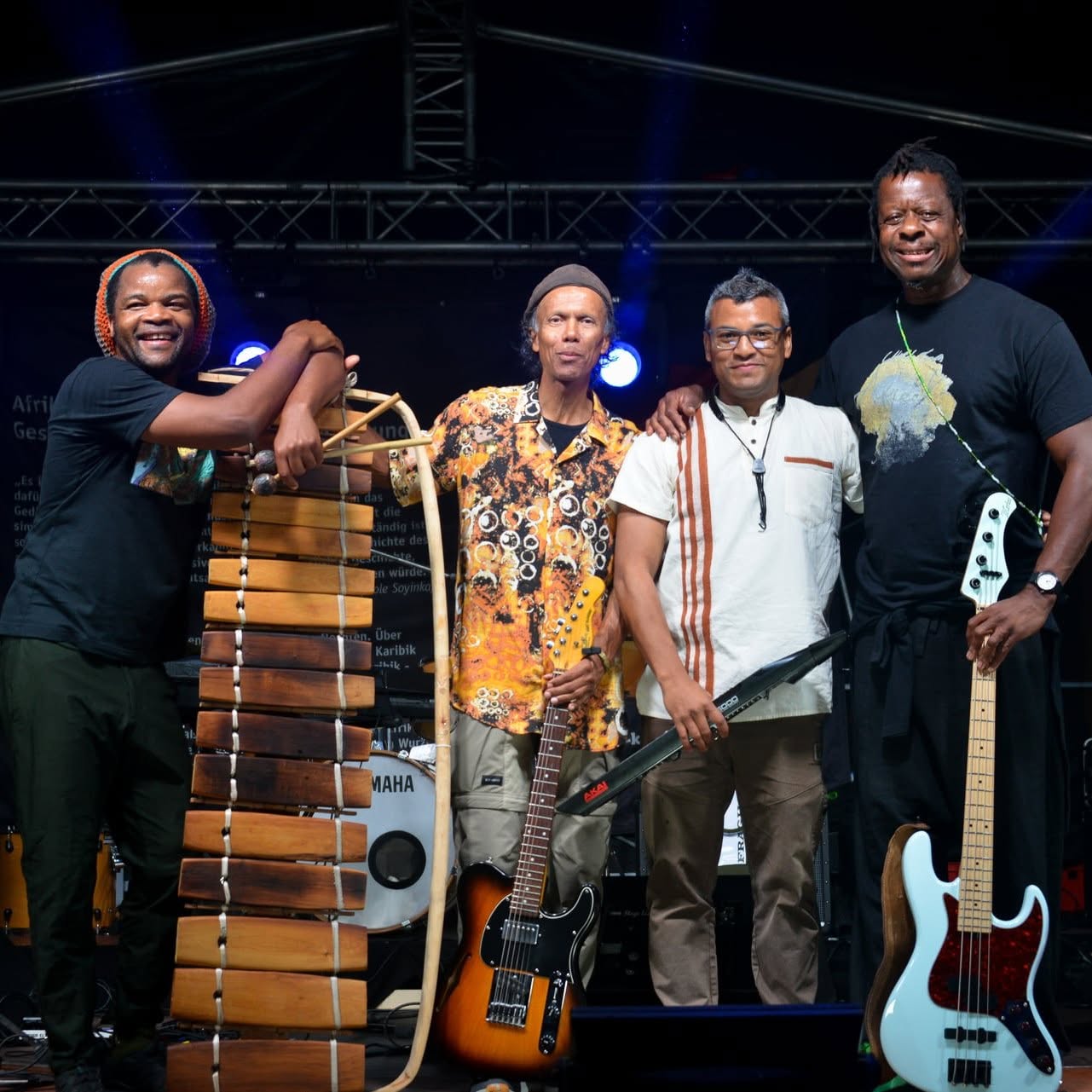
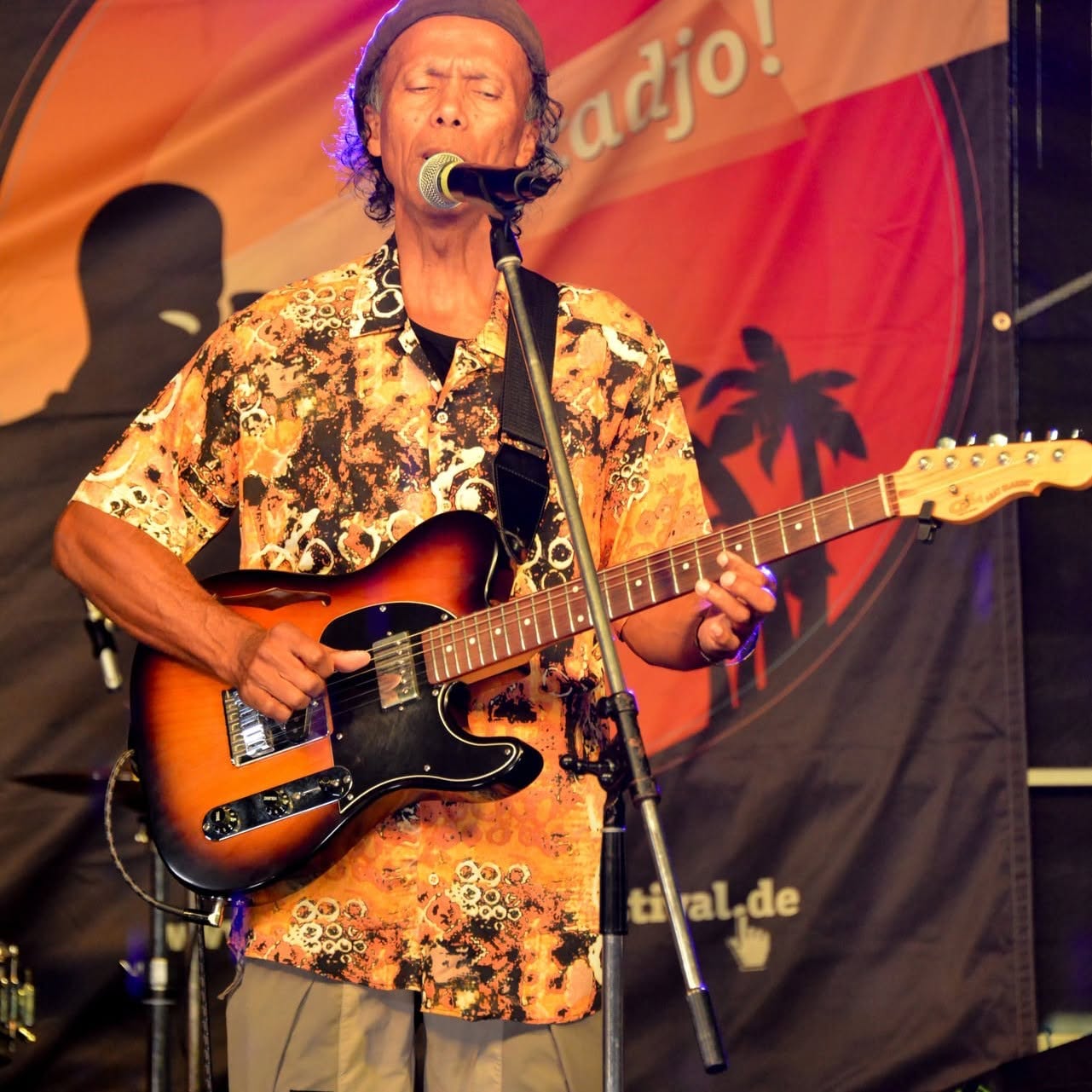
Neither grey skies nor persistent rain could entirely dampen the festival atmosphere when MORUMA took to the stage at the 21st Afrika Karibik Festival in Bayreuth on Friday, 17 July 2026. Presented by the Africa Multiple Cluster of Excellence, the concert brought together musicians from Mozambique, Réunion Island and Madagascar for an evening of powerful rhythms and musical connections across the Indian Ocean.
Now in its 21st edition, the free three-day festival celebrates the cultural connections between Africa, the Caribbean and Bayreuth through music, dance, food, art and dialogue. For the second year running, the Cluster contributed to the festival programme, following the highly successful MangrOOve concert in 2025, which became one of the highlights of the anniversary edition and drew an enthusiastic dancing crowd.
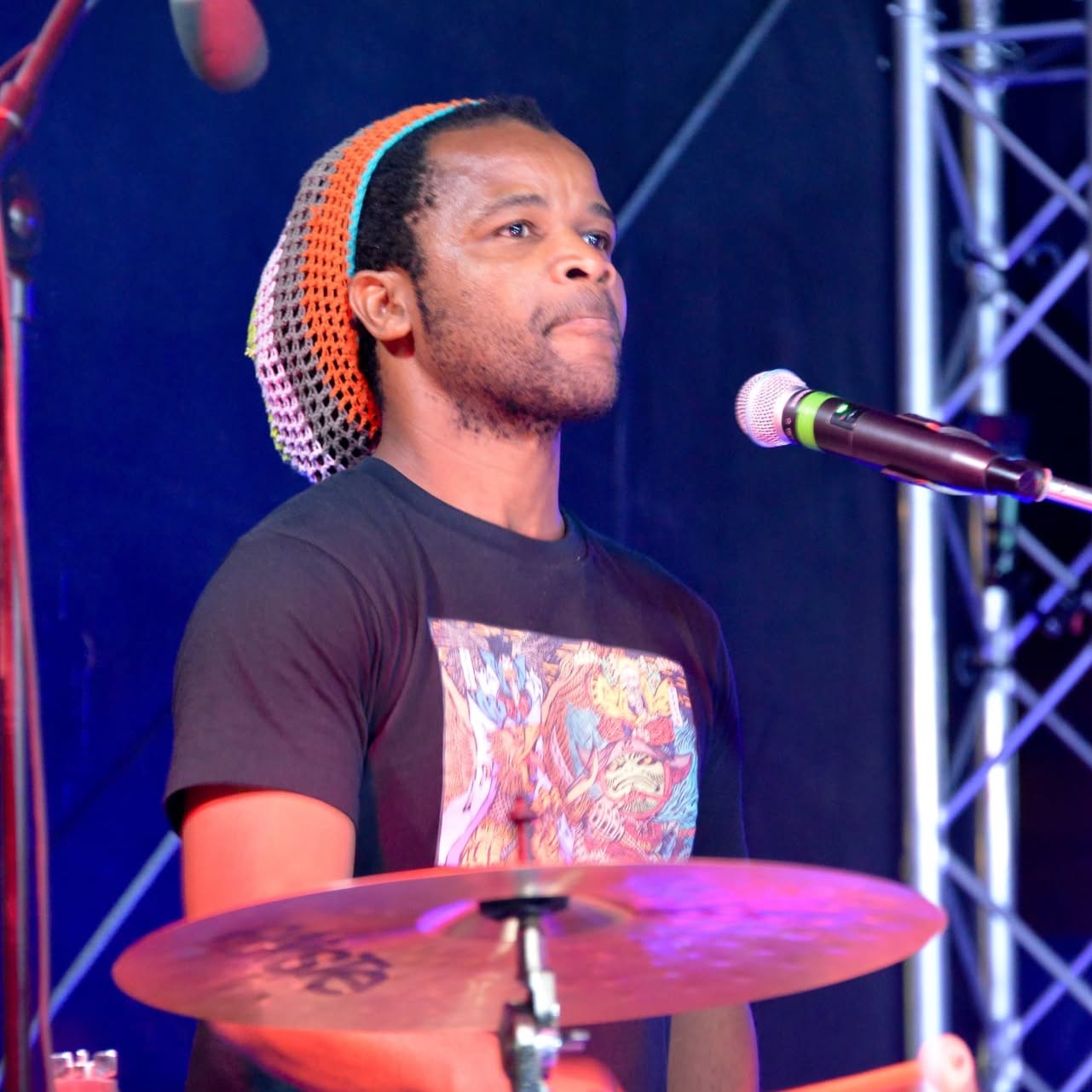
The musical act sponsored by the Cluster in 2026 - MORUMA - consists of Matchume Zango and Childo Tomás from Mozambique, Jean-Pierre Jozéfinn’ from Réunion Island and Andry Michaël Randriantseva from Madagascar. The musicians joined forces especially for the Afrika Karibik Festival and first performed together in this formation at the Cluster’s New Year Lecture earlier this year. Combining traditional instruments and musical knowledge with influences from jazz and contemporary global music, the four musicians created a rich and energetic soundscape that reflected the many cultural exchanges linking the countries and islands of the Indian Ocean.
Although the weather kept much of the anticipated audience away, a small but determined group gathered in front of the stage. Some even embraced the festival’s motto, “Wakadjo! Come and dance!”, and continued dancing despite the rain.
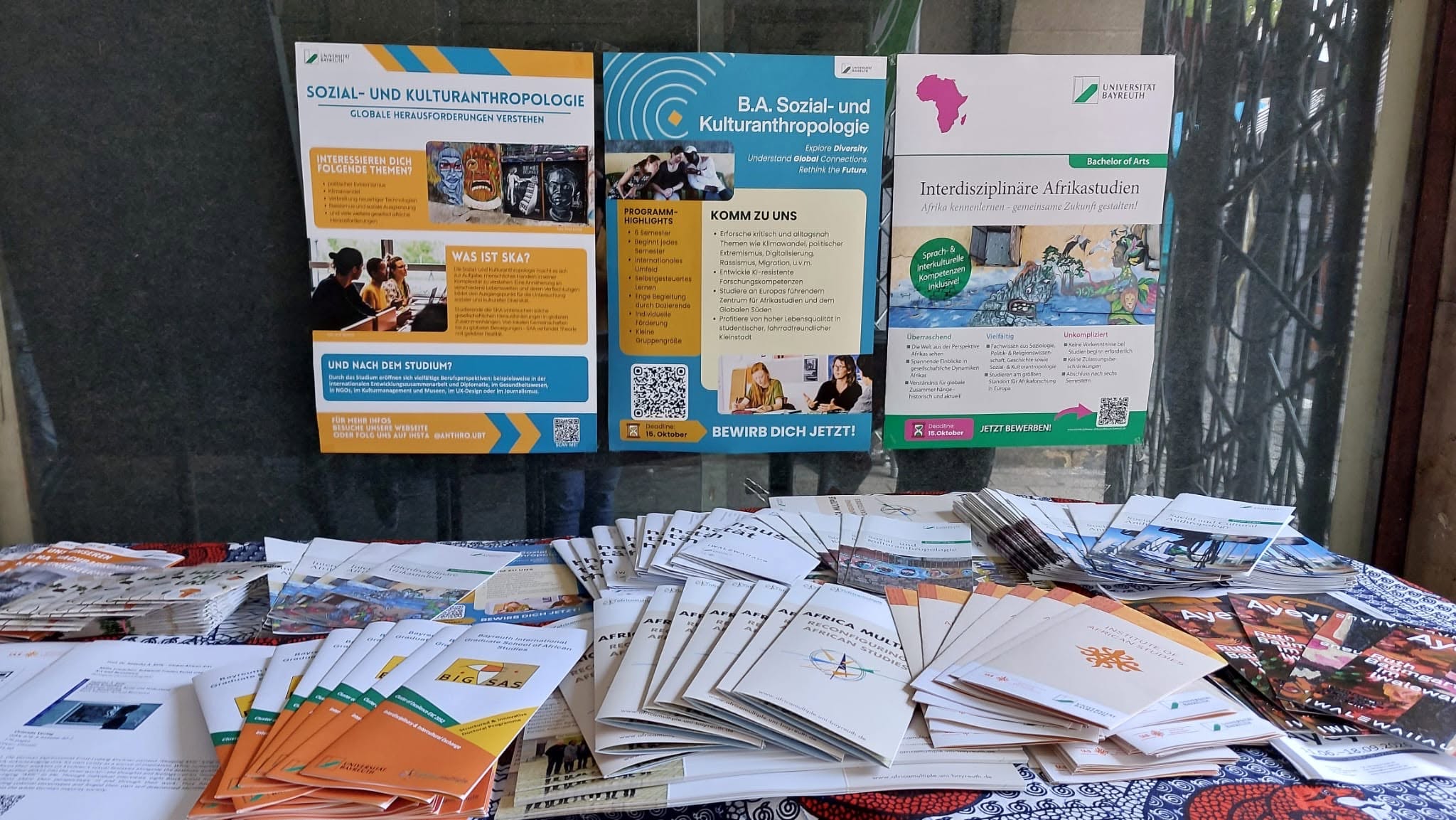
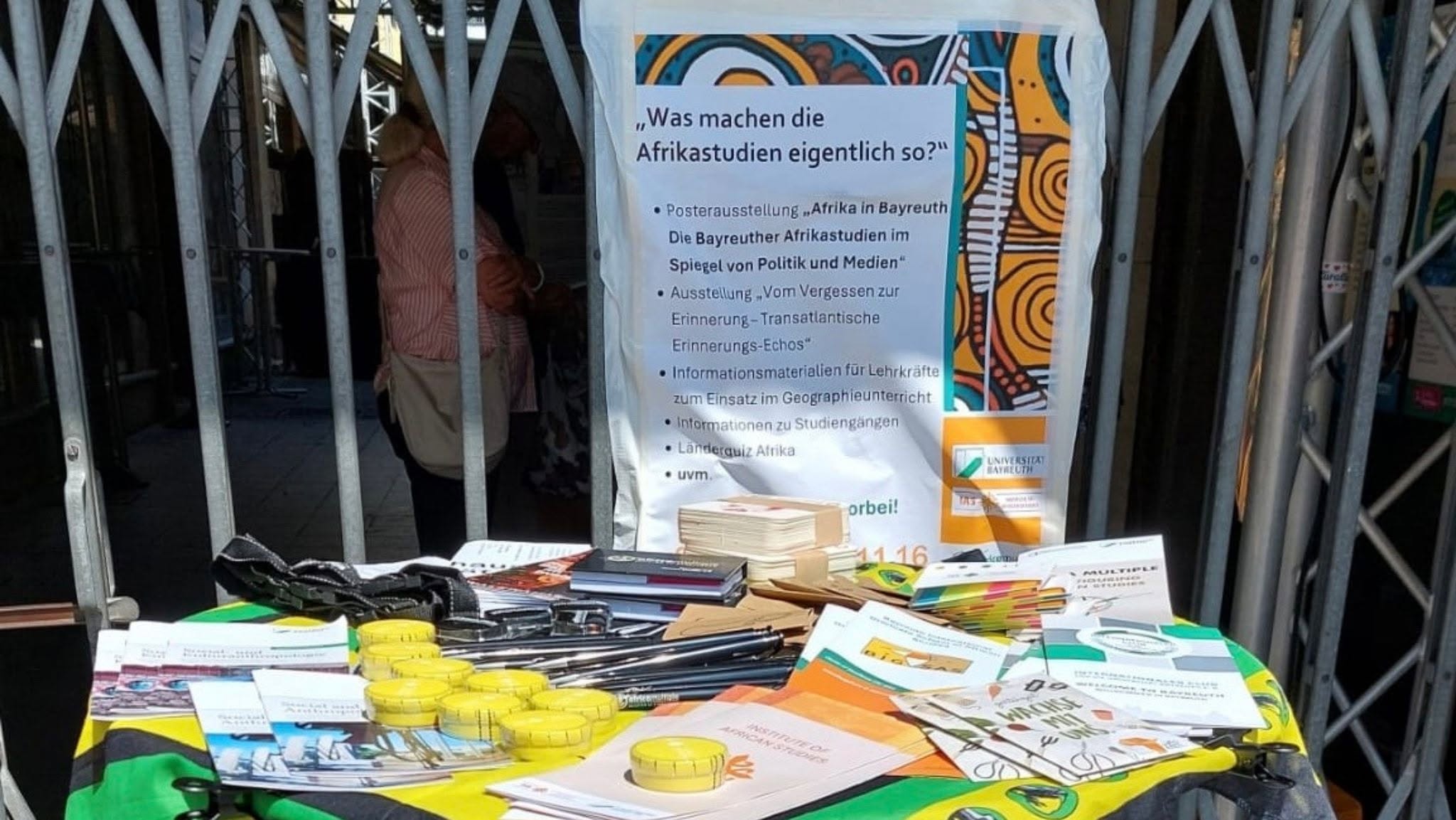
The Cluster’s contribution to the festival continued the following day at the Reichshof in Bayreuth’s city centre. Together with the Institute of African Studies (IAS) and the Bayreuth International Graduate School of African Studies (BIGSAS), the Cluster welcomed festival visitors at a joint information stand.
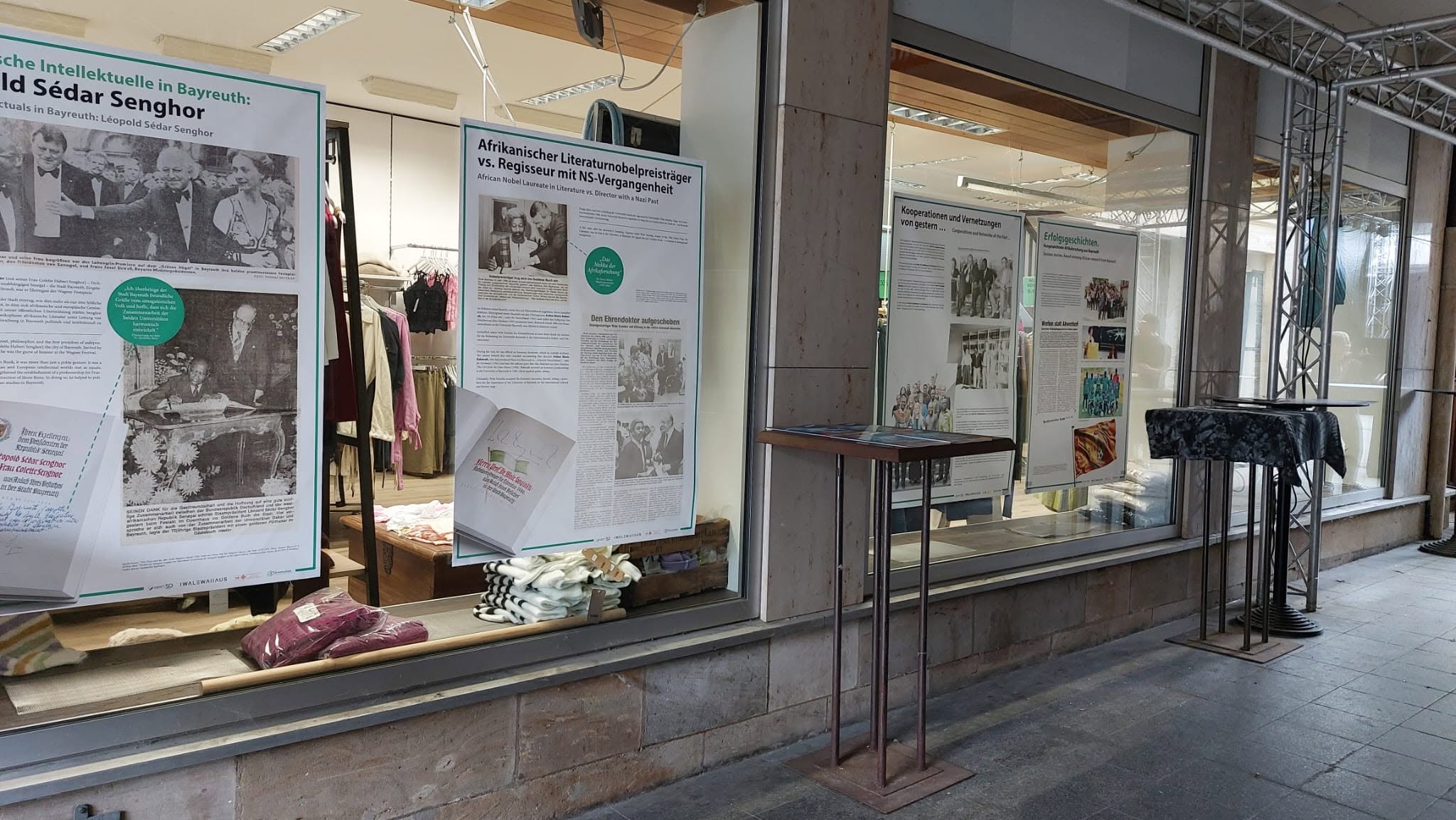
Visitors could explore the exhibition Africa in Bayreuth, curated by Dr Ibrahima Sene. Drawing on press reports, archival materials and institutional documents, the exhibition traced the development of African Studies at the University of Bayreuth and examined how the field has been perceived in politics and the media over the past five decades.
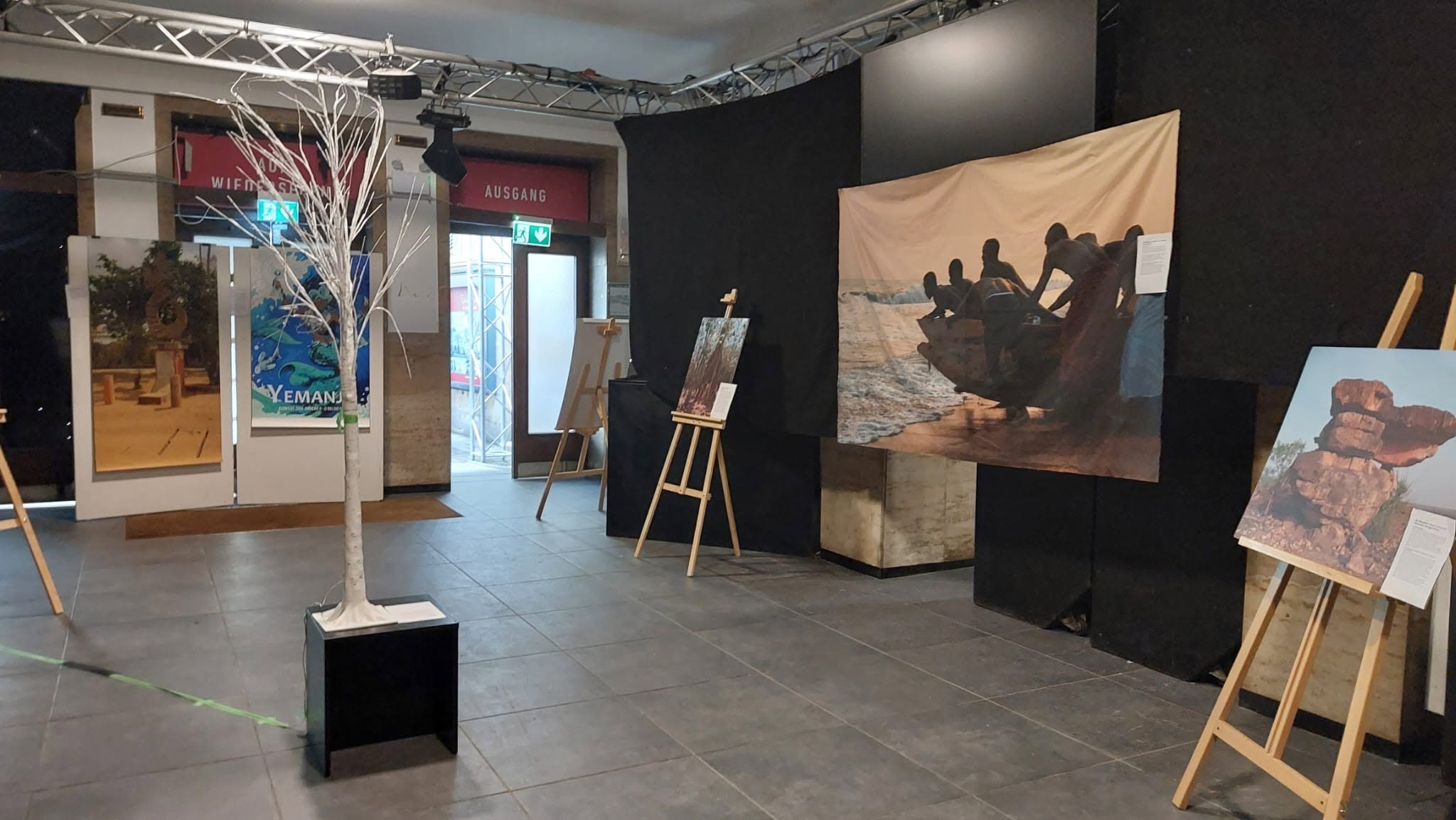
A second presentation featured selected exhibits from Professor Ute Fendler’s exhibition From Oblivion to Memory: Transatlantic Memorial Echoes. The objects offered insights into memories of the transatlantic slave trade and the ways in which these memories have been preserved and communicated through stories, songs and objects of cultural and spiritual significance.
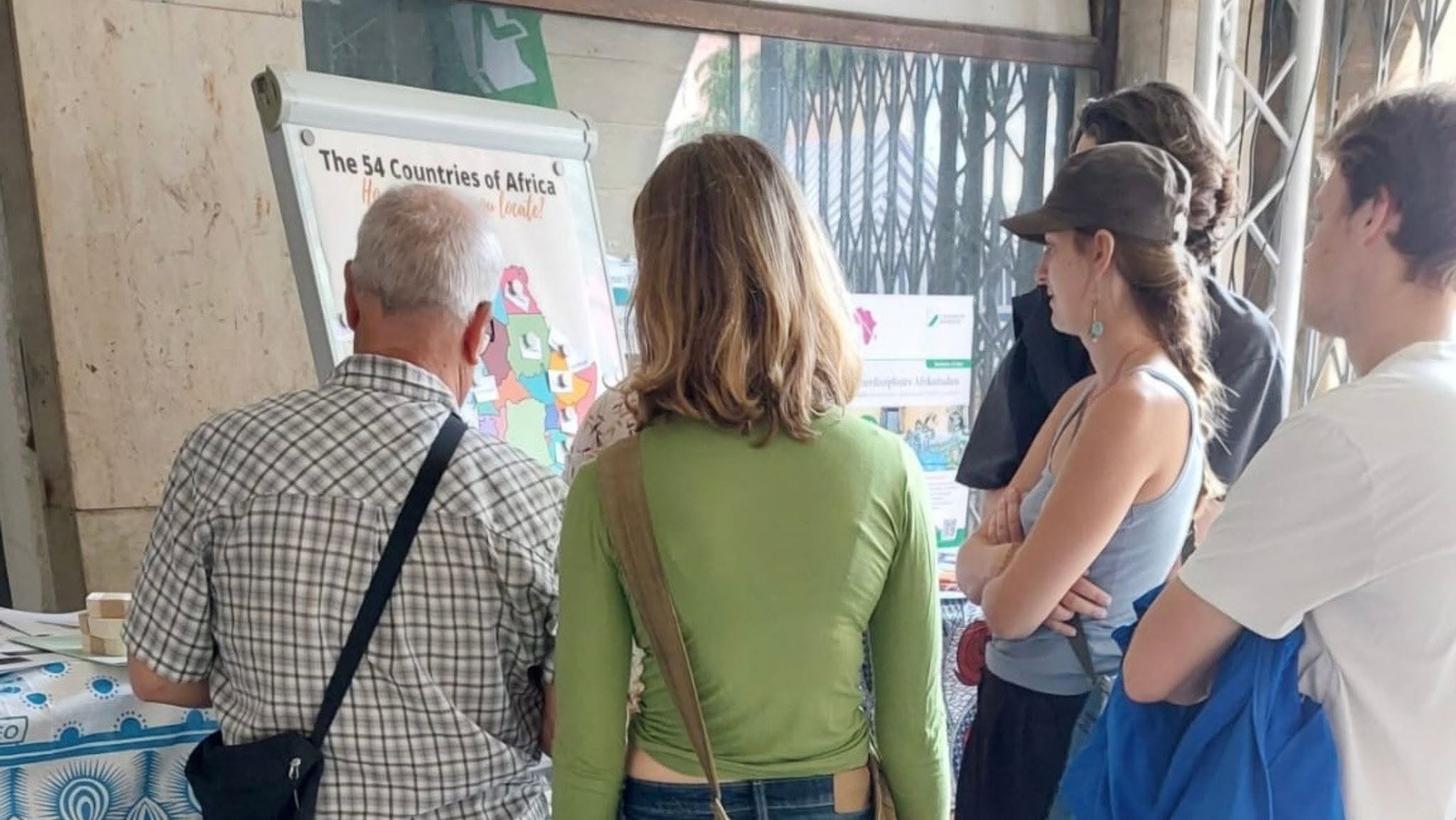
Visitors were also invited to test their geographical knowledge by matching countries with their correct locations on a map of Africa. The interactive activity provided a lively way of engaging with the continent and prompted many conversations at the stand.
Information materials and personal conversations provided further opportunities to learn about the Cluster’s current research, its international collaborations and African Studies at the University of Bayreuth.