

News
Cinema Africa 2026/27: New season brings contemporary African cinema to Bayreuth
1.10.2026
Cinema Africa returns to Bayreuth at the end of October for its 18th edition. From October 2026 to January 2027, the long-running film series will once again bring contemporary African cinema to the big screen at Cineplex Bayreuth, with screenings in October and November followed by a four-day festival finale in January.
Cinema Africa has been part of Bayreuth’s cultural landscape for many years, creating a space in which audiences can encounter films, filmmakers and perspectives from across the African continent and its diasporas. Organised within the framework of the Africa Multiple Cluster of Excellence at the University of Bayreuth and in cooperation with Cineplex Bayreuth, the series brings together fiction films from different regions, cinematic traditions and generations.
Over the years, the programme has brought films from a wide range of countries, genres and cinematic traditions to Bayreuth. Beyond presenting African cinema to local audiences, Cinema Africa has repeatedly created opportunities for exchange through discussions with filmmakers and other guests. Previous editions have included both fiction and documentary films and have explored themes ranging from migration, memory and colonial histories to family, social change and global entanglements.
The staggered format has become a distinctive feature of Cinema Africa in recent years. Rather than limiting the programme to a single festival week, screenings are spread across several months, allowing individual films and themes more space before the series culminates in an intensive four-day programme. The 2025/26 edition followed a similar structure, beginning with screenings in November and December and concluding with four consecutive days of cinema at Cineplex Bayreuth in January.
The format also reflects a broader concern of the Africa Multiple Cluster of Excellence with creating encounters between academic research, artistic practice and wider publics. Now in its second funding phase, the Cluster brings together five research centres in Bayreuth, Ouagadougou, Makhanda, Eldoret and Lagos and investigates processes of world-making from the vantage point of Africa. Public engagement formats such as Cinema Africa provide a different space in which questions of memory, belonging, representation and global interconnectedness can be approached through artistic work and shared discussion.
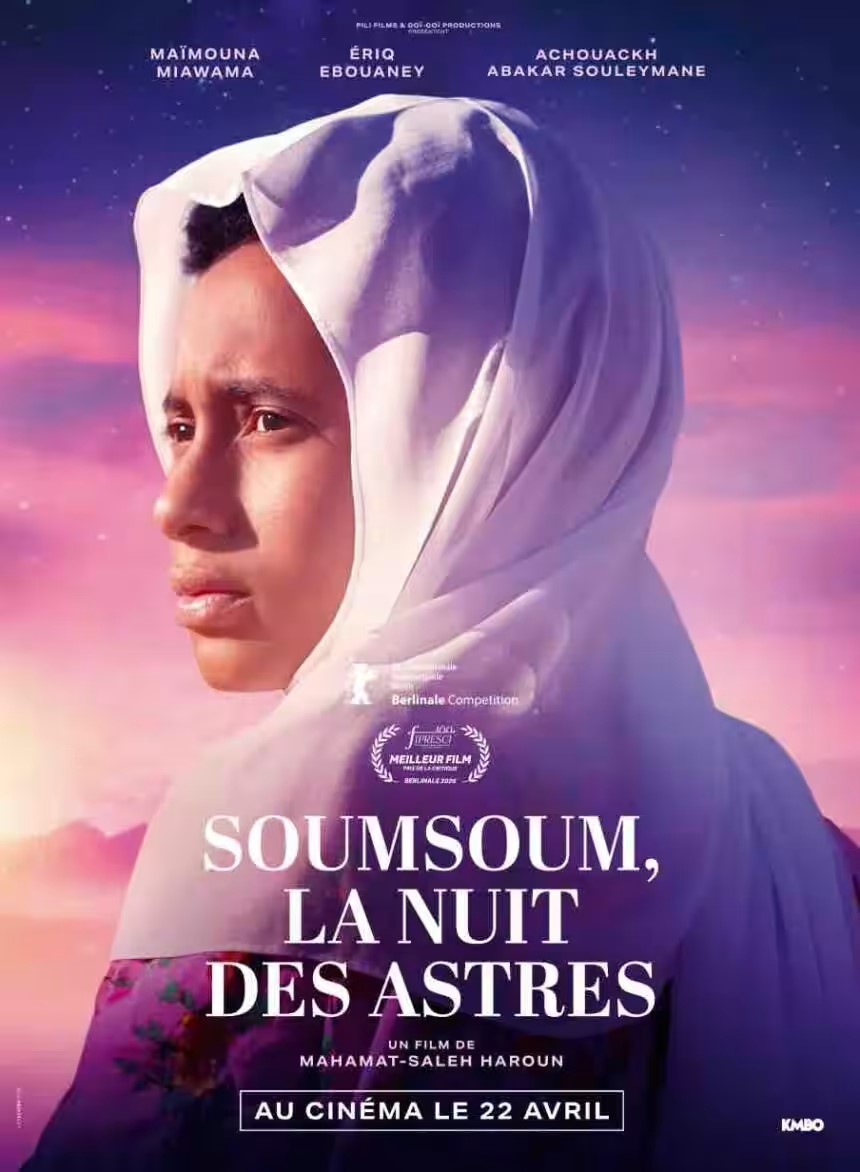
The 2026/27 edition begins on 26 October with Mahamat-Saleh Haroun’s Soumsoum, la nuit des astres (Soumsoum, The Night of the Stars). The 2026 production from Chad follows Kellou, a young woman troubled by visions, whose encounter with the ostracised Aya changes both their lives. As their bond grows, the two women face increasing hostility from the community around them.
Monday, 26 October 2026, 8 pm: Soumsoum, la nuit des astres
Chad, drama, 2026 | 101 minutes | French and Chadian Arabic with English subtitles
Director: Mahamat-Saleh Haroun
Director Mahamat-Saleh Haroun will attend the opening screening in person and take part in a Q&A session with the audience afterwards.
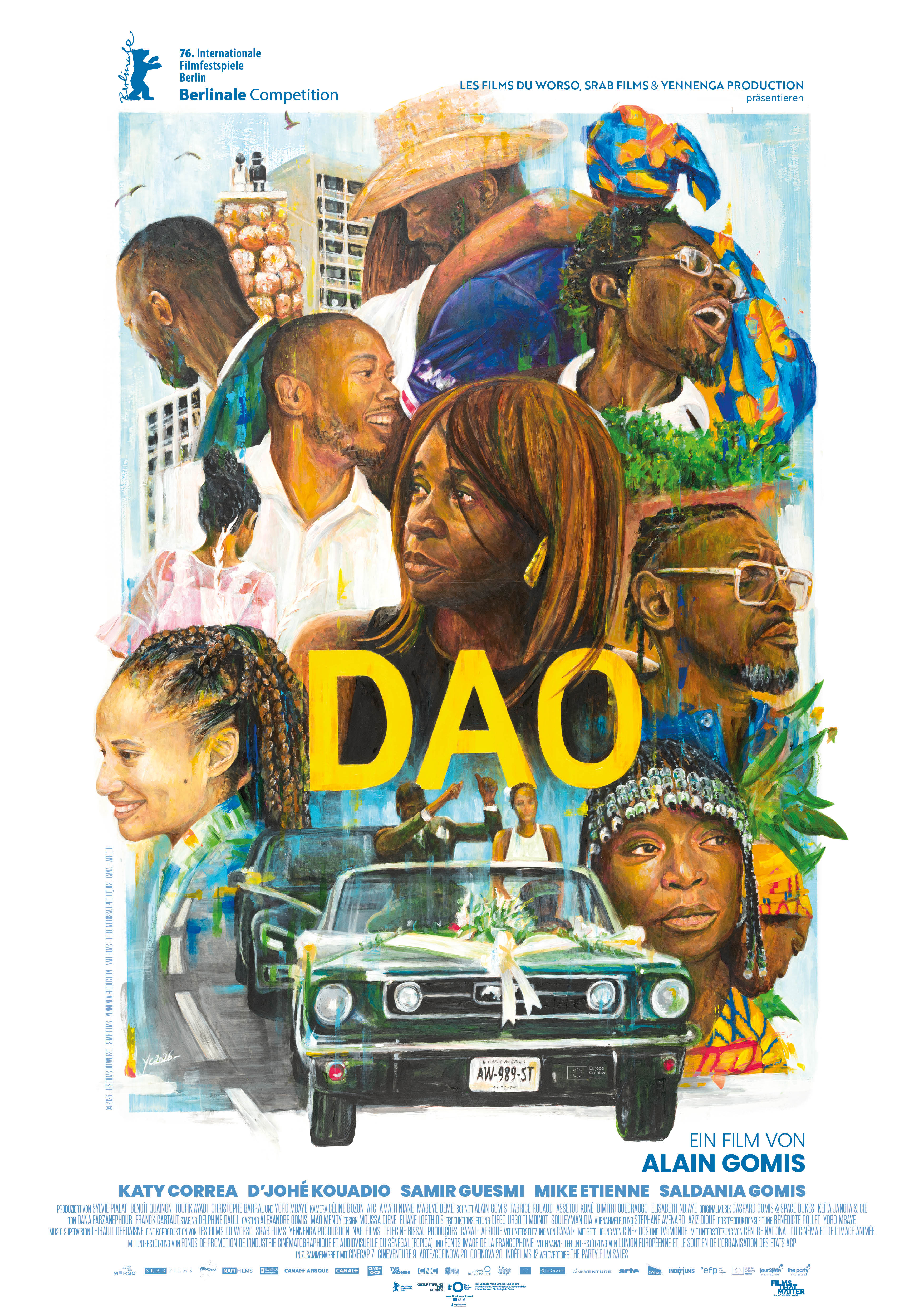
On 9 November at 8 pm, the programme continues with Alain Gomis’ DAO. The French-Senegalese-Guinea-Bissauian film was presented in competition at the 2026 Berlinale. It begins with a film casting at which Gloria and Nour meet and become mother and daughter in front of the camera. Their newly formed family celebrates a wedding in Paris before travelling to Guinea-Bissau to bid farewell to the head of the family. Between these two rituals, the film moves between Europe and West Africa, life and death, past and present, weaving together fictional narratives and lived experience.
At its heart, DAO is concerned with family memory, collective history and the stories passed on between generations. Professional and non-professional actors, including members of Gomis’ own family, worked within an intentionally open framework in which improvisation and personal experience became part of the filmmaking process
Monday, 9 November 2026, 8 pm: Dao
France, Senegal, Guinea, 2026 | 192 minutes | French, Wolof, Manjak and Guinea-Bissau Creole with English subtitles

The autumn programme concludes on 23 November with Hanami, a poetic coming-of-age story set on the volcanic Cape Verdean island of Fogo. Growing up without her mother, young Nana navigates questions of family, identity and belonging in a world shaped by absence, memory and the island's distinctive landscape. The film will be screened twice, at 6 pm with German subtitles and at 8 pm with English subtitles.
Monday, 23 November 2026, 6 pm and 8 pm: Hanami
Switzerland, Portugal, Cape Verde, 2025 | 96 minutes | Portuguese and Creole; German subtitles at 6 pm, English subtitles at 8 pm
Following the autumn screenings, Cinema Africa returns in January for a concentrated four-day finale from 17 to 20 January 2027.
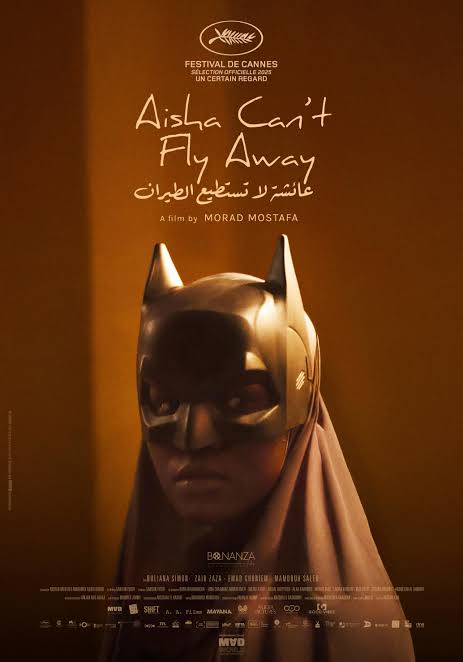
The January programme opens on Sunday, 17 January, with Aisha Can’t Fly Away, a 2026 production from Egypt and Sudan. In Cairo, 26-year-old Sudanese caregiver Aisha
finds herself caught between African migrants, local gangs, an uncertain relationship, and a
dangerous blackmail scheme. As fear blurs the line between dreams and reality, she is pushed to a breaking point, confronting the harsh realities of life as a migrant in the city.
Sunday, 17 January 2027, 8 pm: Aisha can't fly Away
Egypt, Sudan, 2026 | 123 minutes | Arabic and French with English subtitles
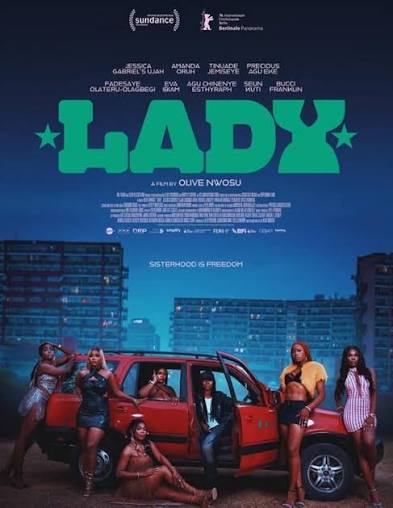
On Monday, 18 January, the programme continues with Lady, a Nigerian-British production set in the bustling streets of Lagos. One of the city's few female taxi drivers finds her familiar routines challenged when she encounters a group of women who introduce her to new perspectives on solidarity, independence and self-determination. The film explores female agency and the possibilities of forging connections in an urban environment.
Monday, 18 January 2027, 8 pm: Lady
Nigeria, United Kingdom, 2025 | 93 minutes | English and Pidgin with English subtitles
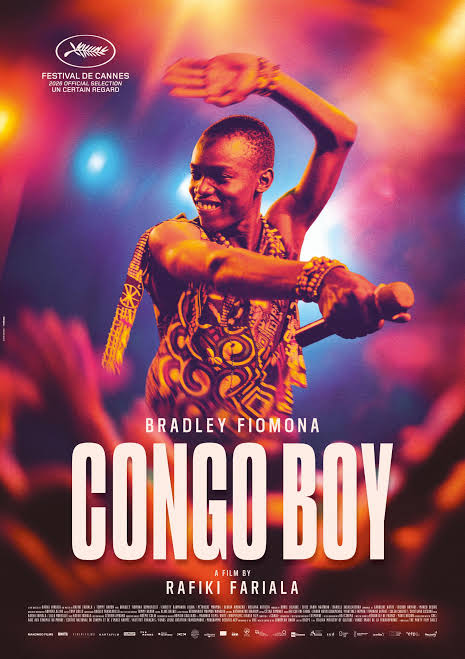
The first screening on Tuesday, 19 January, presents Congo Boy, set in Bangui in the Central African Republic. The film follows a 17-year-old Congolese refugee struggling to balance his responsibilities towards his younger siblings with the demands of school and his ambition to become a musician. His story explores the challenges of growing up in displacement while holding on to dreams of a different future.
Tuesday, 19 January 2027, 6 pm: Congo Boy
Central African Republic, DR Congo, France, 2026 | 90 minutes | Sango, French, Lingala and Swahili with English subtitles
At 8 pm on 19 January, the programme continues with Apagamento, a 2025 production connecting Angola, Mozambique and Brazil. Following the death of his wife, a young Angolan man takes part in a scientific experiment that promises to erase his painful memories. The film raises questions about grief, remembrance and whether escaping the past can truly offer a new beginning. Director Carlos Massingue will attend the screening in person and join the audience for a discussion afterwards.
Tuesday, 19 January 2027, 8 pm: Apagamento
Brazil, Mozambique, Angola, 2025 | 70 minutes | Portuguese with English subtitles

The festival concludes on Wednesday, 20 January, with the Kenyan film Bufis (Daydreamers). Set in Nairobi, the film follows Assad, a gifted storyteller and “fixer” who creates fictitious families from dispersed refugees hoping to succeed in the US Green Card Lottery. He invents family histories, writes scripts and coaches his clients until their stories become convincing enough for the visa interview. Based on true events, Bufis approaches dreams of migration, hope and imagined futures with humour and tenderness.
Wednesday, 20 January 2027, 8 pm: Bufis (Daydreamers)
Kenya, 2023 | 105 minutes | English, Somali and Kiswahili with English subtitles
Director Mahad Ahmed will attend the closing screening in person and join the audience for a discussion afterwards.
Spread across several months, the 2026/27 programme once again reflects the breadth of contemporary filmmaking connected to Africa and its diasporas. From Chad, Cape Verde and Kenya to Egypt, Sudan, Nigeria, the Central African Republic, Mozambique, Angola and Brazil, the films bring very different places, stories and cinematic approaches into conversation in Bayreuth.
- All screenings take place at Cineplex Bayreuth.
- Tickets are available online and at the cinema box office.
- The 2026/27 edition will culminate in a four-day Cinema Africa finale in January 2027.