

Cluster Chronicles by Egara Kabaji - Pt. 1
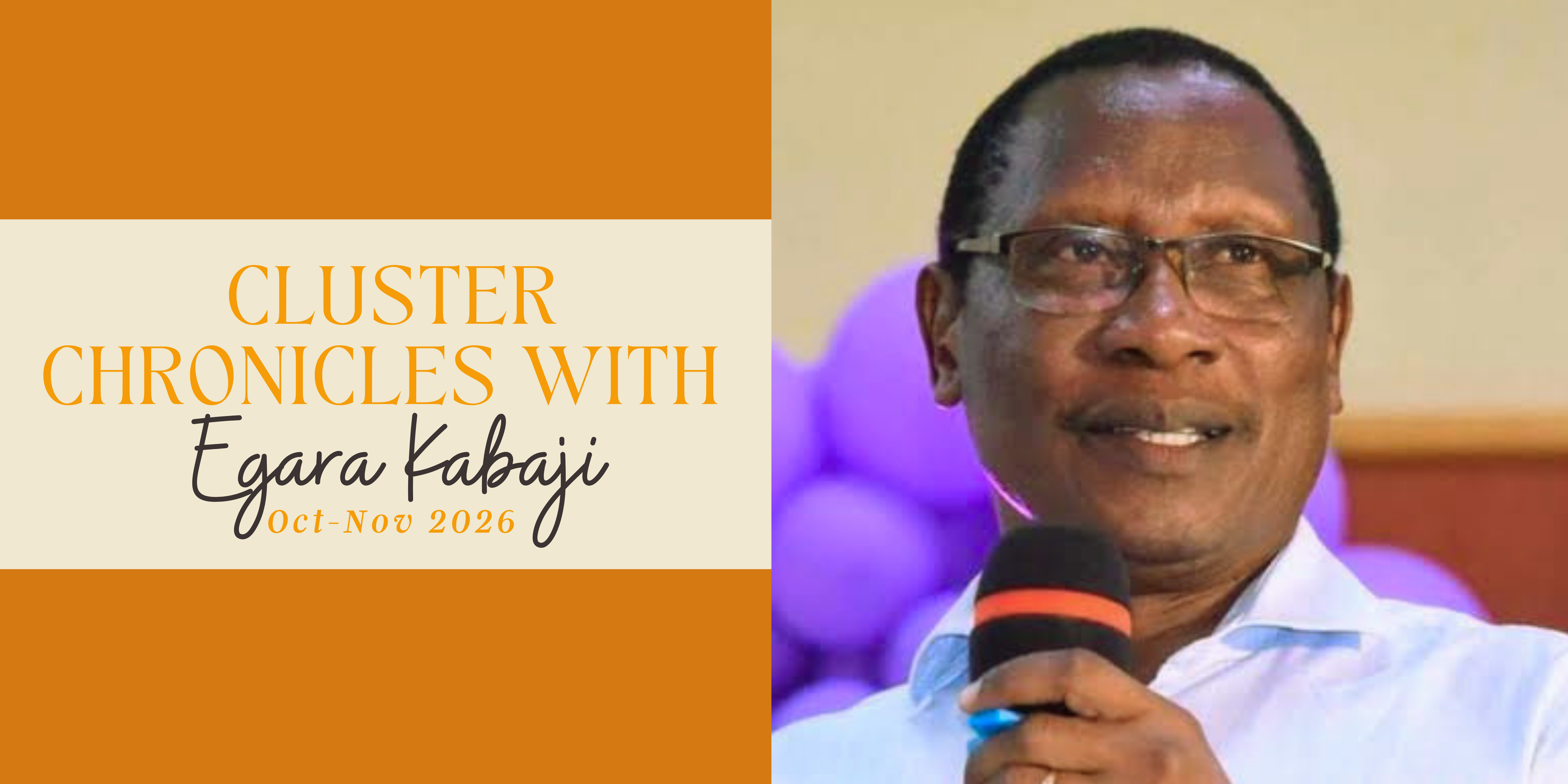
Kakamega Meets Bayreuth: Thirty Days of Narrative Transformation.
by
Egara Kabaji
The invitation to visit the University of Bayreuth as a chronicler arrived when I was developing what I have called the Narrative Transformation Model (NTM). This conceptual model attempts to explain how a creative writer transforms observation, experience, research and reflection into a narrative. This is my modest contribution to the development of literary theory.
Using NTM, I want to try to explain where a story really begins. A writer sees something and becomes curious about it. A conversation may raise a question. An encounter may leave the writer wondering. A childhood memory may refuse to disappear. A place may evoke an unexplained feeling. In essence, curiosity is the spark. That is why I saw the opportunity as a Cluster chronicler as an ideal way to explore these reflections further in understanding of the creative process.
The Chronicler Output
I want to see Kakamega Meets Bayreuth: Thirty Days of Narrative Transformation Model, a collection of chronicles with an introduction to the Narrative Transformation Model, as my final output. This will be accompanied by a documentary production operationalising memory as an active, generative site for African theory-making.
This is a literary experiment in comparative culture, memory, place and identity. I have arrived in Bayreuth as a son of Kakamega, Kenya and Africa, carrying the landscapes, stories, languages, memories and cultural experiences of my home. I need to allow them to enter into a conversation with the people and place I encounter in Bayreuth. The result should help me explain what each place enables me to see differently about the other. This is a literary encounter between two places, developed through the Narrative Transformation Model.
The Central Proposition of the Project
For me, every place is more than its physical geography. It is a storehouse of stories, memories, beliefs, relationships, and ways of understanding the world. When two places meet through the consciousness of a storyteller, the encounter can transform how both are understood. Kakamega is my point of departure; Bayreuth is my present field of encounter. But my imagination, memory, research and reflection are the bridge between them.
In my chronicles, I want to explore questions such as: What does a person from Kakamega notice in Bayreuth that another visitor might overlook? What happens when the wisdom embedded in my people’s folklore encounters Bavarian reality and traditions? How do people in the two places relate to memory and belonging? What can an encounter between these places reveal about the assumptions people make about Africa and Europe? How does the act of travelling transform the writer’s understanding of home?